
Last updated November 17, 2026
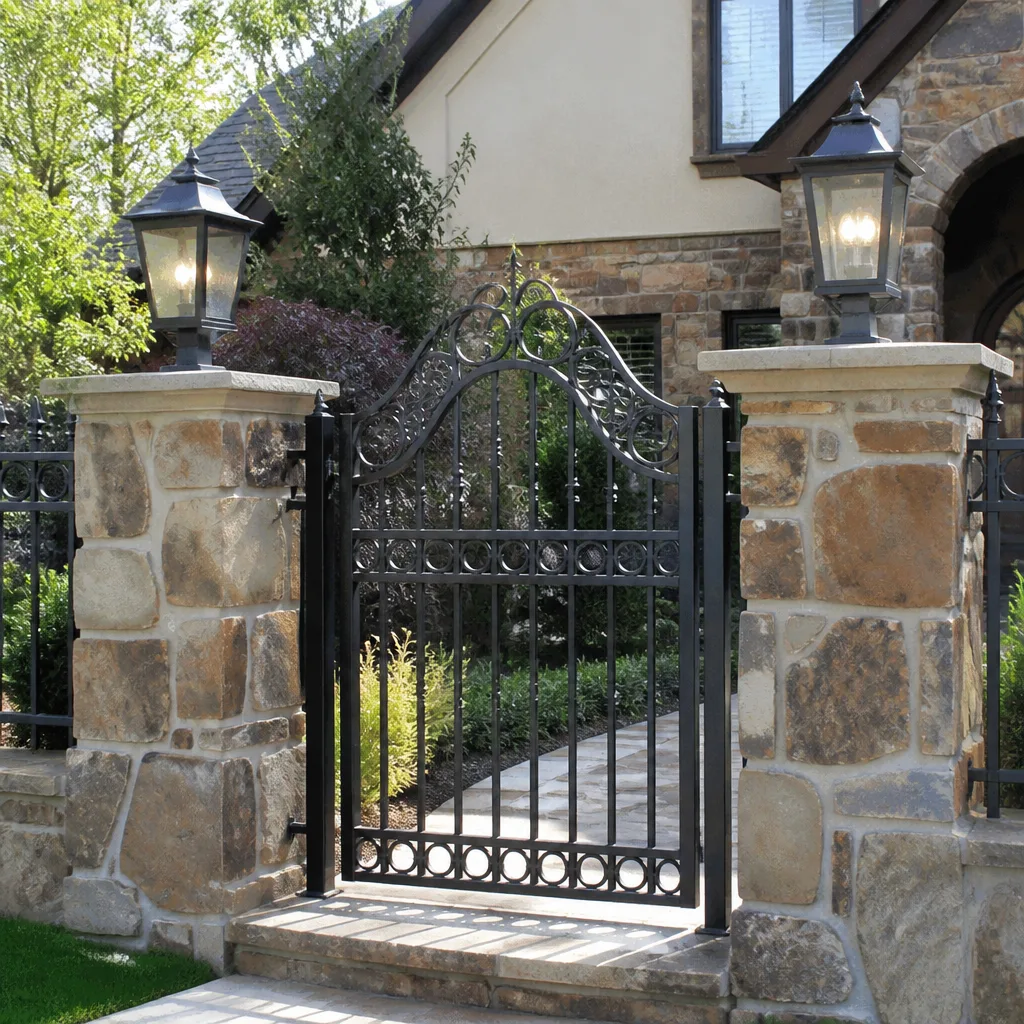 Wrought iron
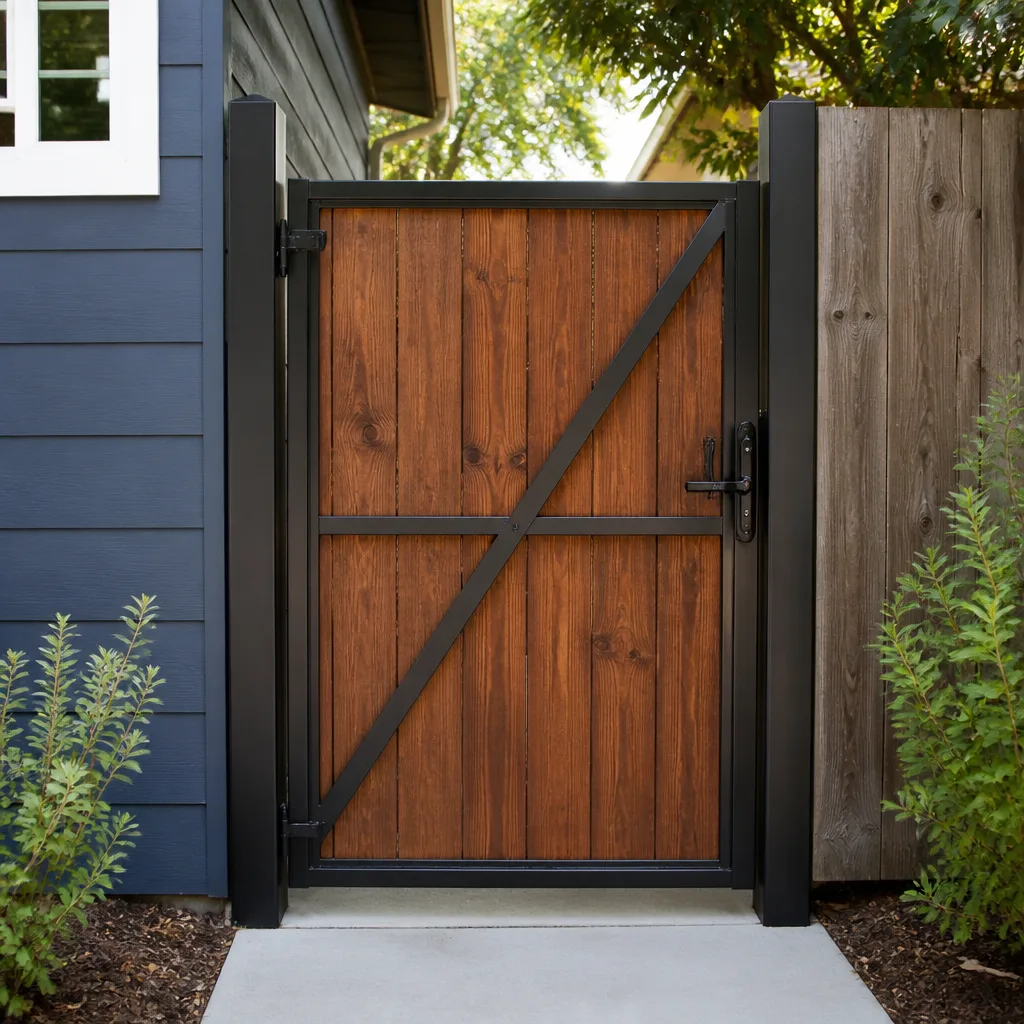 Wood & steel frame
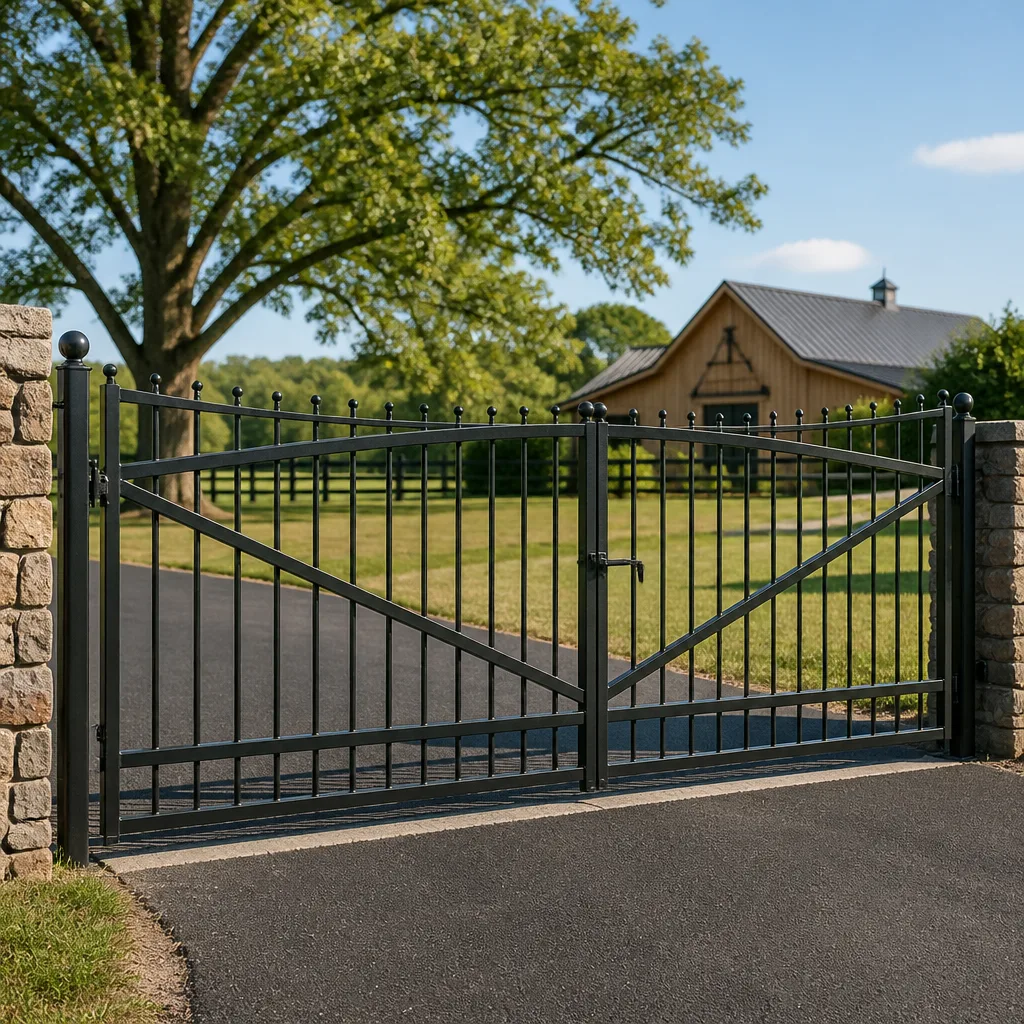 Farm & ranch
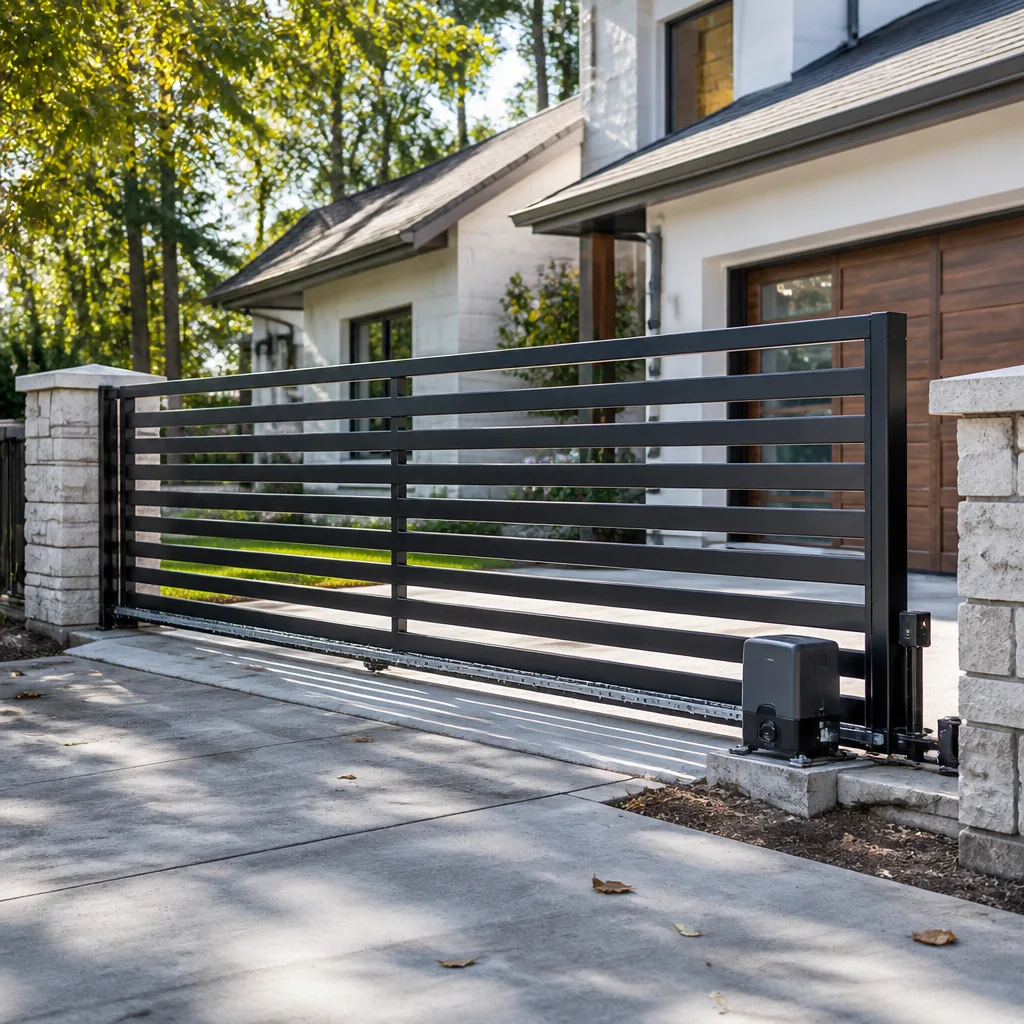 Sliding driveway gates
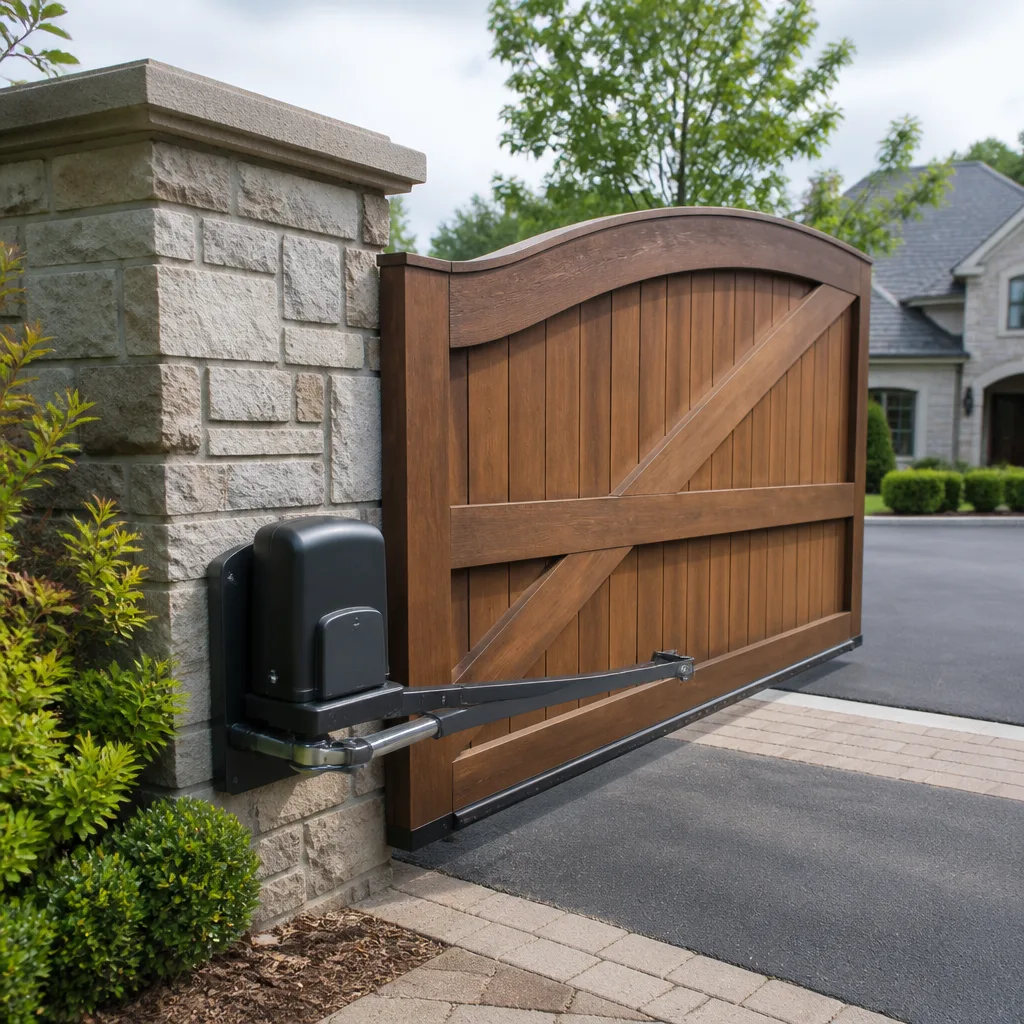 LiftMaster operators
Free on-site gate assessment - hinges, posts, and your LiftMaster or Nice gate operator checked before anything is quoted
The assessment is free and the quote is the invoice.
Get your free estimateThe Complete Gate Installation Guide for Mesquite Homeowners
Caliche will stop a standard post-hole digger cold. That calcium carbonate hardpan runs through much of the Mesquite area, and it’s the single biggest reason a gate that looked fine at the walkthrough is leaning within two summers. Most national installation guides were written for soft loam in the Midwest and never mention it. Most generalists working around Mesquite haven’t dealt with it enough to plan for it. This guide covers what actually determines whether a driveway gate holds up here: soil assessment, footing depth, HOA pre-approval, thermal expansion, automation sequencing, and Clark County permitting. By the end you’ll know what to ask before anyone sets a post.
Quick Answer
Gate installation in Mesquite succeeds or fails long before the gate is hung. The determining factors are how the caliche is broken and how deep the footings go, whether the gate has enough thermal clearance to swing in both January and August, and whether the automation conduit was routed before the posts were set. Get those three right and the gate lasts decades. Get them wrong and you’re paying to redo the foundation within two seasons.
Styles & brands we work with
- Wrought iron
- Wood & steel frame
- Farm & ranch
- Sliding driveway gates
- LiftMaster operators
Table of Contents
- Assessing Your Soil Before You Choose a Footing
- Why the 36-Inch Rule Fails on Caliche
- HOA Compliance in Mesquite’s Planned Communities
- Thermal Expansion Math for a Mesquite Steel Gate
- Why Automation and Conduit Come Before the Posts
- Permits and Inspection in Clark County
- Common Mistakes to Avoid
- When to Call a Professional
Assessing Your Soil Before You Choose a Footing
Walk your property line and pay attention to what’s underfoot before anyone quotes you a number. Mesquite soil isn’t uniform: some lots near the Virgin River corridor hold moisture and drain slowly, some lots in the higher planned communities sit on nearly pure caliche, and a few have both within the same run of fence. The footing plan should follow the soil, not a template.
Here’s how to read your ground before installation day:
- The screwdriver test. Push a long screwdriver into the soil at each post location. If it slides in six inches without resistance, you have decent soil. If it stops dead at two inches with a gritty crunch, you’ve hit caliche or a compacted layer.
- The water test. Pour a bucket of water on the spot and watch what happens. Fast drainage on caliche often means water is running sideways along the hardpan rather than soaking in, which matters for footing design.
- The color test. Caliche shows up as pale, whitish, nearly concrete-looking material when you dig or break through the surface. If the shovel comes up with white chunks, plan for pneumatic breaking.
- The slope check. A laser level across the gate line tells you whether the posts will carry the same load. Uneven bearing on a hardpan edge is how gates start to sag.
On hard caliche, professional crews use a pneumatic breaker or a rock auger, and in some cases a chemical treatment to soften a defined area before setting the footing. Skipping that step doesn’t show up immediately. It shows up as a gate that closes clean in year one and drags in year three. If you want to talk through what your particular lot needs, our gate installation in Mesquite page walks through the assessment we do on every site visit.
Why the 36-Inch Rule Fails on Caliche
Most guides tell you to bury a post 36 inches. That number assumes normal soil with normal bearing capacity. Caliche has far higher bearing strength than loose soil, which sounds good, and it is, provided you’ve actually keyed the footing into the solid material rather than sitting it on top or in a pocket you hollowed out and backfilled with loose gravel. A post set in a loose pocket surrounded by hardpan will rock. A post keyed into the hardpan won’t.
What actually determines footing depth in Mesquite:
- Frost depth. Negligible here. Clark County frost depth is shallow enough that frost heave is rarely the controlling factor, which is one reason the national 36-inch rule doesn’t map cleanly onto this market.
- Bearing into solid material. The footing needs to reach the hardpan or a stable layer, not stop in fill. Depth varies lot to lot.
- Footing diameter vs. post size. A heavier gate (steel, 12 feet of clear opening) needs a bigger footing and often a wider steel post. A cast-in-place concrete footing with rebar is standard; pre-cast footings are not appropriate for a heavy gate on caliche.
- Wind and gate sail area. A solid or semi-solid gate catches wind. Mesquite gets summer gusts that will find any weakness in the footing.
Our technicians have up to 13 years of experience, and the first thing they do on a Mesquite job is probe the ground at each post location. Post size and footing depth get decided after that probe, not before.
HOA Compliance in Mesquite’s Planned Communities
Most of Mesquite’s newer residential neighborhoods are governed by HOAs, and a driveway gate is almost always in scope for architectural review. If you live in one of the planned communities, plan on pre-approval before you order materials. Approval that arrives after the gate is hung is not approval, it’s a problem.
What typically requires pre-approval versus what’s usually exempt:
- Requires pre-approval: any new driveway gate, any change to gate height or width, any change to color or finish, any change to visible pillar or masonry, and the addition of an automatic operator where none existed.
- Often exempt (confirm with your HOA): like-for-like repair of a hinge or latch, replacing a motor with the same model, and routine maintenance repainting in the approved color.
Here’s the sequence that saves homeowners a headache:
- Pull your HOA’s architectural rules and approved color and material list before you choose a design.
- Submit a spec sheet, elevation drawing, and finish sample with your application.
- Get written approval in hand, not a verbal yes from a board member.
- Only then order the gate.
We’ve seen approvals take anywhere from a week to six weeks depending on the board’s meeting schedule. Scheduling installation around that timeline is normal; launching installation before approval is not.
Thermal Expansion Math for a Mesquite Steel Gate
Mesquite swings from winter mornings near freezing to summer afternoons well above 100°F. Steel expands and contracts measurably across that range. A 12-foot steel gate can grow a sixteenth of an inch or more from January to August, and on a tight-fitting gate, that sixteenth is the difference between closing and dragging.
What that means in practice:
- Clearance on the latch side. Leave enough room that the gate doesn’t bind at peak expansion. A quarter inch of working clearance is too tight; aim higher and account for the operator’s travel limits.
- Clearance on the hinge side. The gate must not rub the post in either season.
- Grade swing clearance. A gate hung with an inch of ground clearance in August can scrape the driveway in January when the metal contracts and the operator travels slightly differently.
- Operator travel limits. Set them in mild weather, test them in hot and cold, and adjust. An operator tuned in July can stall in December.
Anyone installing a steel gate in Mesquite should be able to tell you the tolerance they’re building into both sides before the gate is hung. If they can’t, they haven’t thought about it.
Why Automation and Conduit Come Before the Posts
This is the most expensive sequencing mistake in gate installation, and it’s common. Homeowner installs a manual gate, decides a year later to automate it, and discovers the power run and conduit weren’t planned. Now you’re trenching through finished landscaping and pulling conduit around a footing that wasn’t designed for it.
Plan for automation from the start, even if you’re not automating on day one:
- Decide the operator brand and model. We’re trained and equipped on nine gate-automation brands including Viking, Ghost Controls, DoorKing, and Elite, so the operator choice follows the gate design rather than the other way around.
- Route conduit before the footings are poured. The conduit run for power and low-voltage control needs to end at the operator location on the correct post.
- Plan the safety edges and photo eyes. Those are wired, and their mounting locations are set by the operator, not the gate.
- Plan the access control entry point. Keypad, intercom, or phone-based entry all need a low-voltage path back to the operator.
If the power run isn’t feasible, call it out early. It’s a real constraint on some lots and it changes the automation plan. Better to know before the posts are set than after the driveway is repoured.
Permits and Inspection in Clark County
Residential driveway gate installation in Clark County generally requires a building permit when the work involves structural posts, footings, or an electrical connection for an automatic operator. A simple like-for-like replacement of a gate leaf on existing posts usually does not. An automatic operator is an electrical installation, and that side of the job is where inspection triggers most often.
What typically brings an inspector out:
- New footing or post installation with concrete poured in the ground.
- An electrical feed to a gate operator.
- Any gate or fence near a property line or setback that raises a zoning question.
The permit process is predictable when the site plan and electrical plan are drawn correctly the first time. It becomes expensive when a homeowner pulls a permit for the gate, then discovers the operator needed a separate electrical permit, or that the placement inside a setback requires a variance. If you’re unsure whether your lot needs one, that’s a question to settle before materials are ordered, not after. Our gate motor and opener page covers the electrical side in more detail.
Common Mistakes to Avoid
- Setting posts into caliche without breaking it. A footing set in a hollowed-out pocket of a hardpan layer will rock within two seasons. The hardpan has to be keyed, not carved around.
- Ordering the gate before the HOA sign-off. Written approval in hand first. A verbal yes from a board member is not approval, and the gate you already ordered is not returnable.
- Building to zero clearance. A gate hung tight enough to look perfect in spring will drag in August. Build in the expansion tolerance from the start.
- Skipping the conduit on a manual gate. Route the conduit for automation even if you’re not automating on day one. Retrofitting the power run later costs far more than planning for it now.
- Using a pre-cast footing for a heavy steel gate. Cast-in-place concrete with rebar is the correct footing for a gate that weighs what a driveway gate weighs. Pre-cast is for light applications.
- Ignoring slope across the gate line. A driveway that falls toward the gate needs a footing design that accounts for drainage, or the operator will be fighting water every storm.
- Choosing an operator brand the installer doesn’t know. Nine brands is a useful number. One brand the installer has never touched is the wrong answer for a homeowner who wants the gate right the first time.
When to Call a Professional
Call us when the ground fails the screwdriver test, when the gate is going on a lot inside an HOA, when the footing will be poured into caliche, when the gate will be automated, or when you want to plan for all of it on the first visit rather than the second. Gate installation is one of those jobs that is genuinely hard to fix after the foundation is set. A field assessment, a footing plan, and a written price before any work starts save more than the quote does.
Ironworks Gate Co. Mesquite offers free estimates in Mesquite. Call (844) 797-2573 and a live person will answer, day or night.
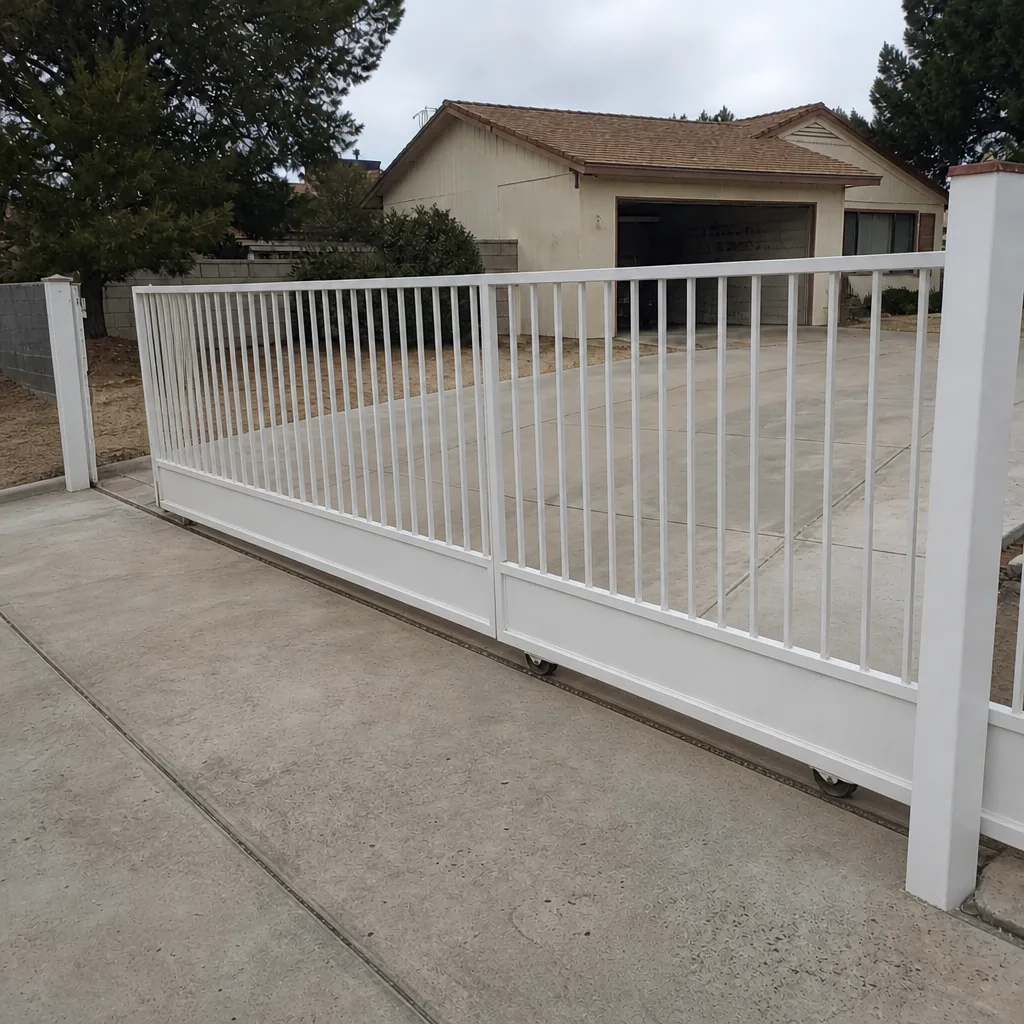
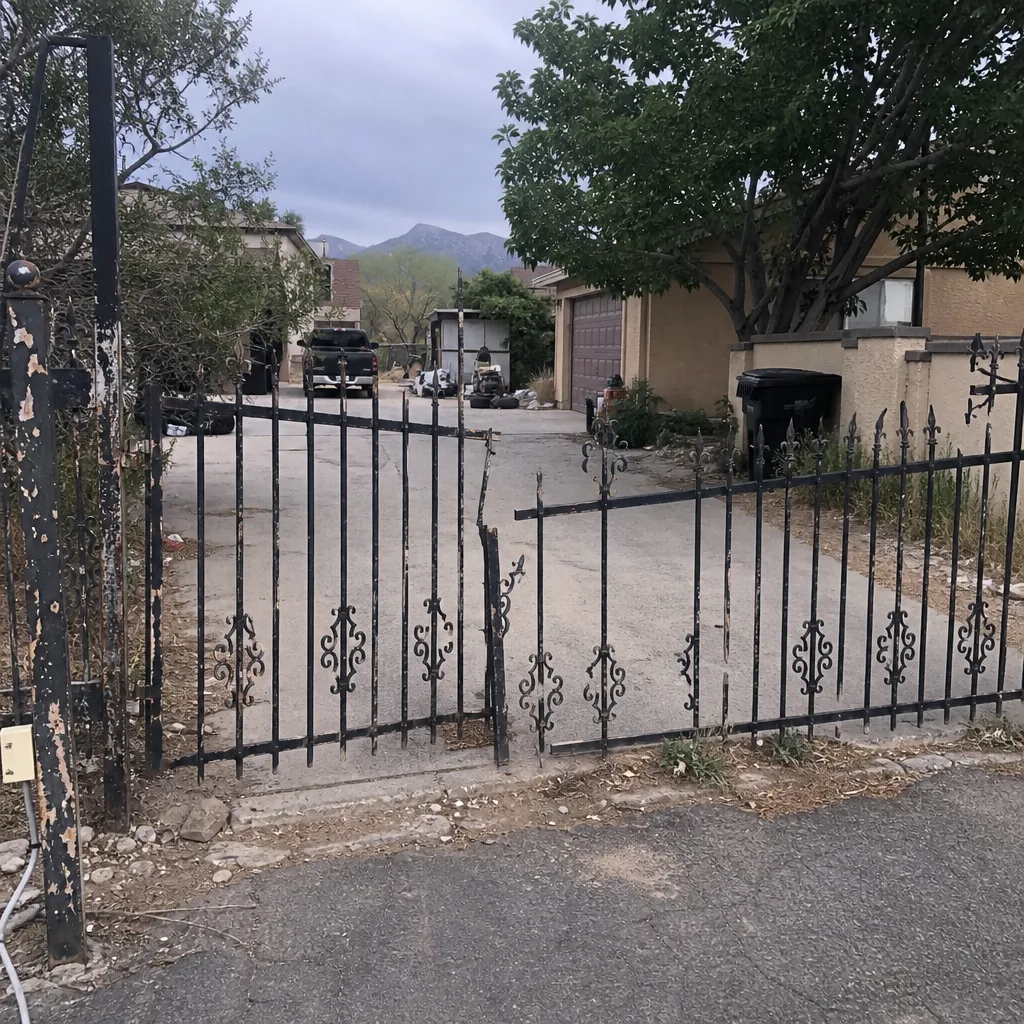
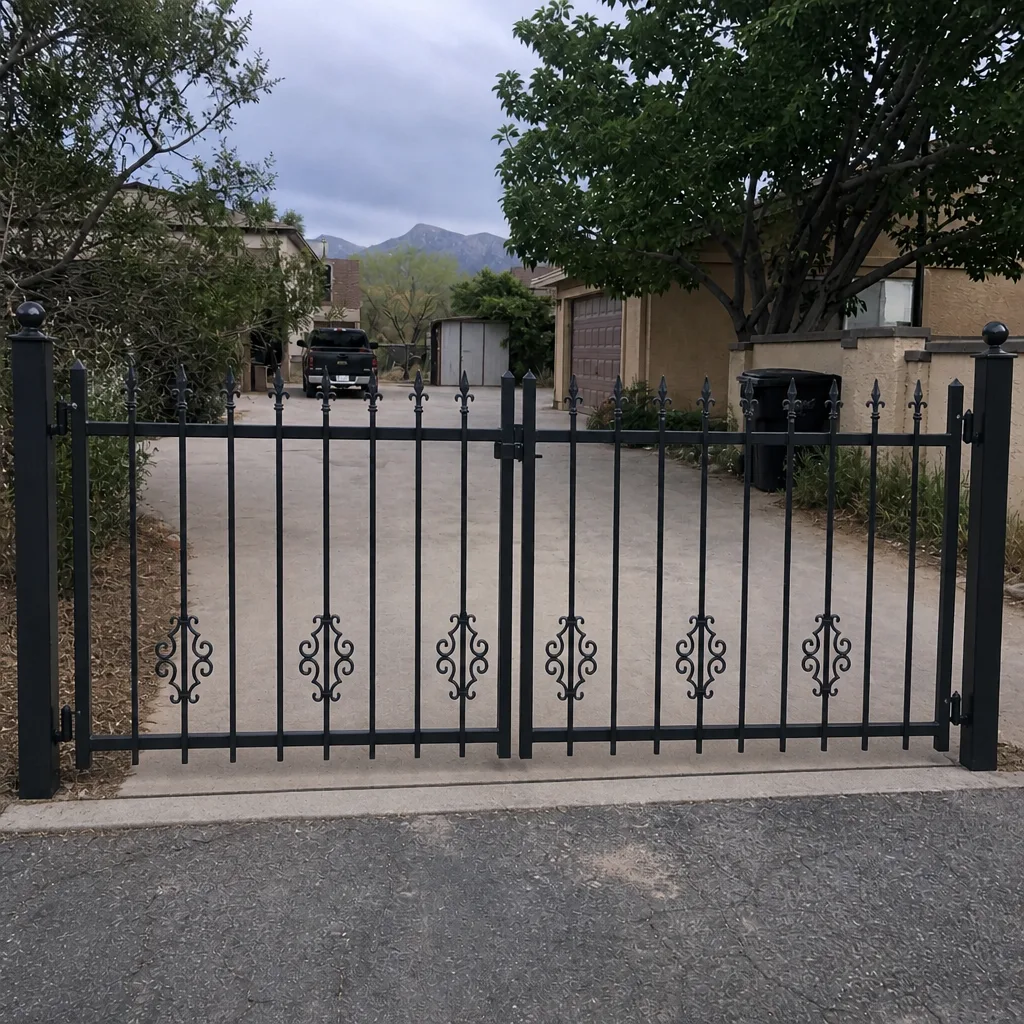
See the difference
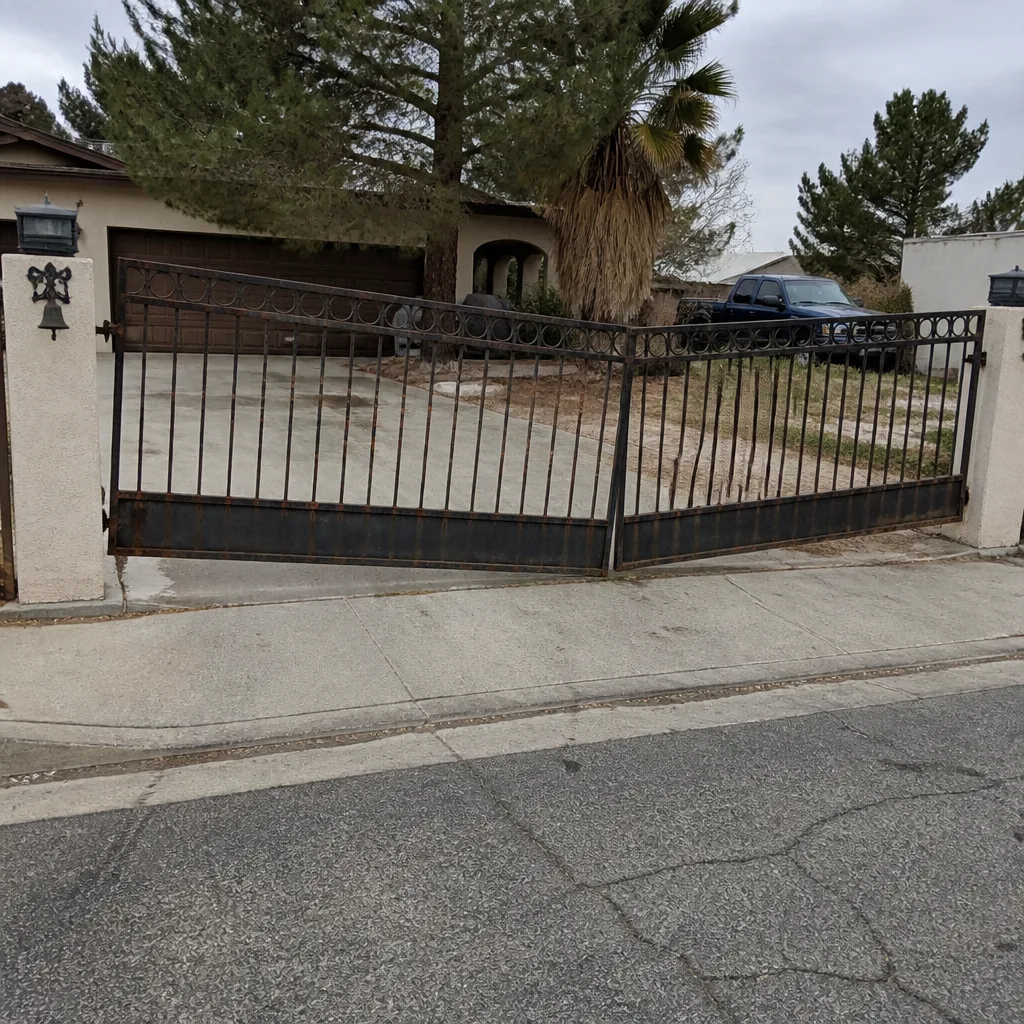 Before
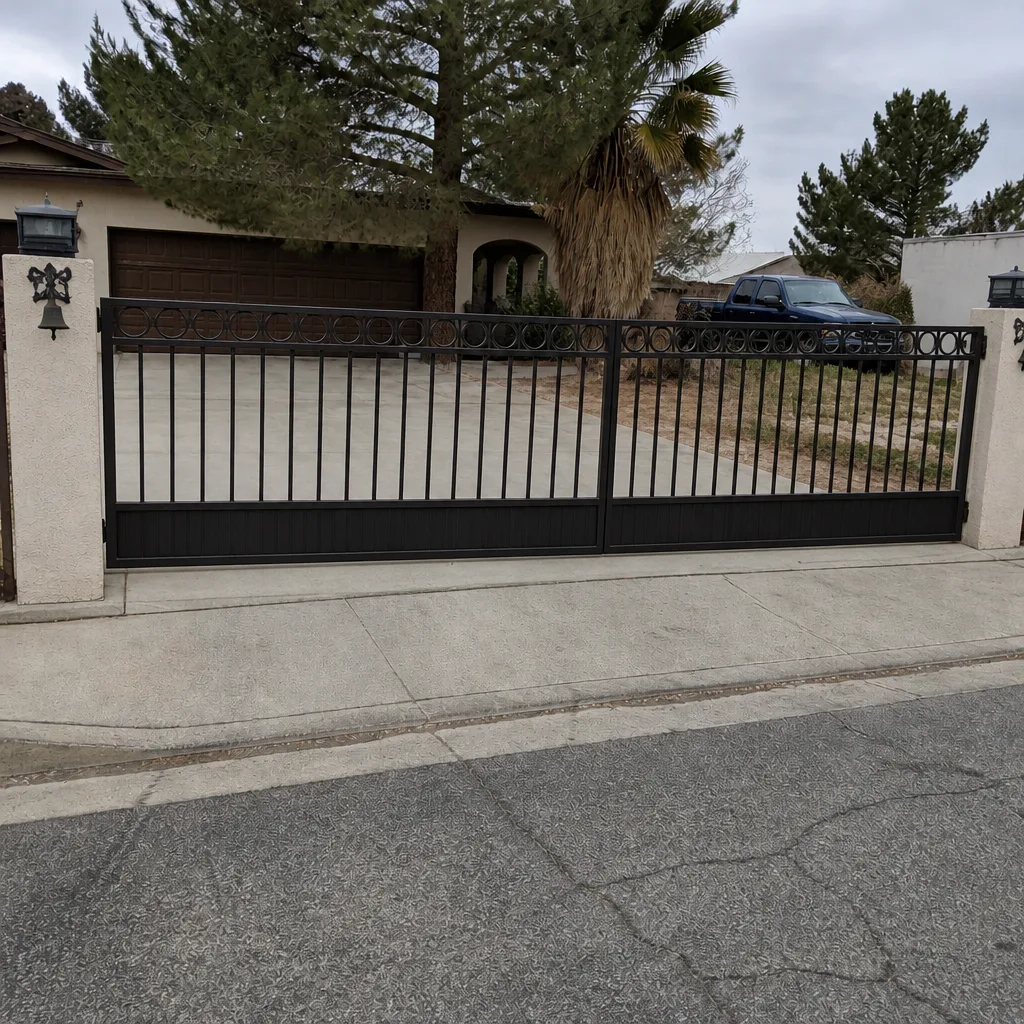 After
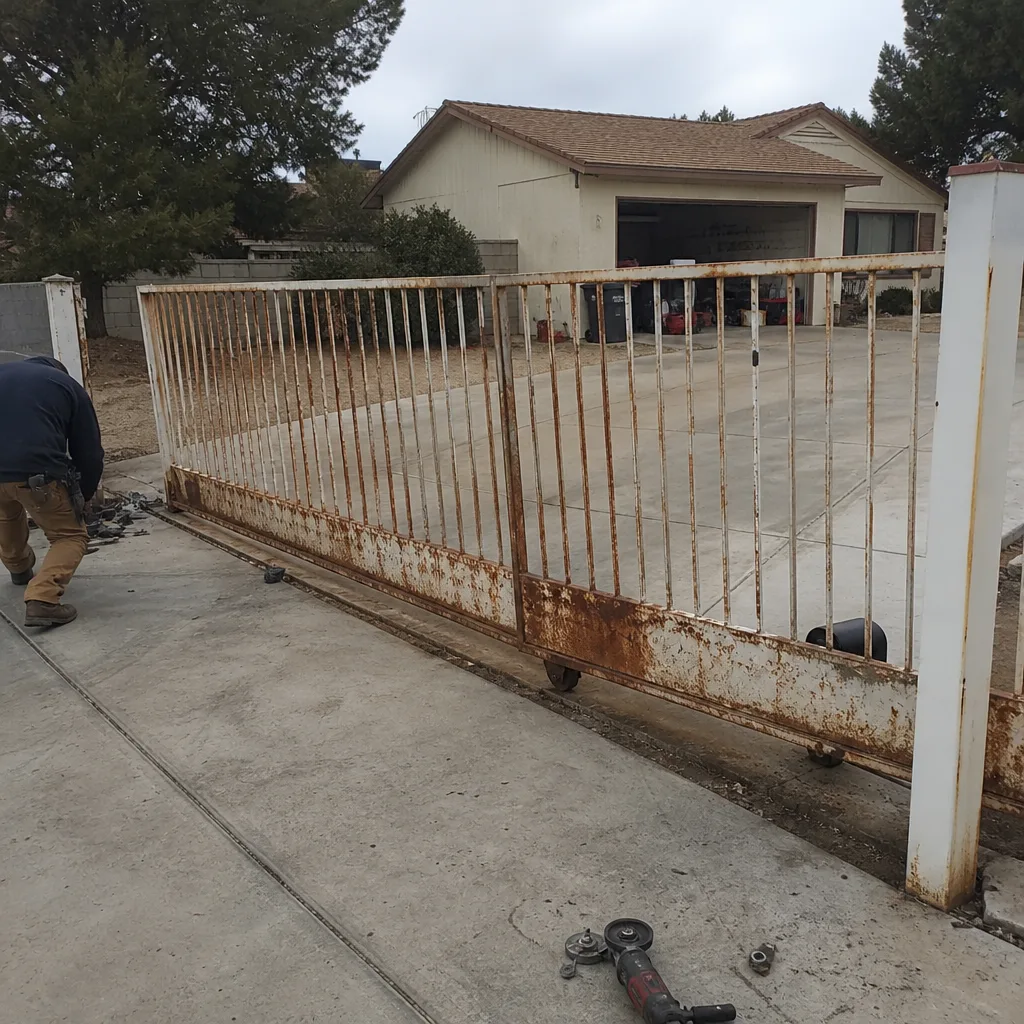 Before
 After
 Before
 After
Frequently Asked Questions
A basic residential driveway gate installation in Mesquite typically runs $3,500 to $8,000 for a manual gate with new footings, and $6,500 to $14,000 once automation, access control, and the electrical run are included. Cost depends on gate size, footing requirements on your soil, and whether the power run is feasible without significant trenching. Call (844) 797-2573 for a written estimate. Estimates are free, and the price is quoted and agreed before any work starts.
Yes, caliche is a solvable problem when the installer plans for it. A pneumatic breaker or rock auger breaks through the hardpan, and a concrete footing is then cast into the solid material rather than sitting in a hollowed pocket. Skipping the breaking step is what causes leaning gates. If your soil fails the screwdriver test, tell the installer before they quote.
In most of Mesquite’s planned communities, yes. New driveway gates, changes to gate height or width, and any visible finish change typically need written pre-approval through the HOA’s architectural review process. Repair of an existing gate on the same posts is often exempt, but confirm that with your particular HOA before assuming.
Residential gate installation in Clark County generally requires a building permit when the work involves new footings, structural posts, or an electrical connection for an automatic operator. Like-for-like replacement of a gate leaf on existing posts usually does not. The automatic operator is typically the part of the job that triggers inspection, so plan the electrical permit alongside the building permit rather than after.
A steel driveway gate in Mesquite needs more latch-side and hinge-side clearance than the minimum spec, because the metal expands across the summer and contracts in winter. The exact figure depends on gate length and material, but a quarter inch of total clearance is too tight. The installer should be able to tell you the tolerance they’re building in before the gate is hung.
Yes, provided the conduit for power and low-voltage control is routed before the footings are poured. Automation added later without pre-routed conduit means trenching through finished landscaping and pulling wire around a footing that wasn’t designed for it. Plan for it on day one even if the operator comes later.
The Bottom Line
Gate installation in Mesquite comes down to what you can’t see after the job is finished: how the caliche was broken, how deep the footings sit in solid material, how much clearance the steel has to grow and shrink, whether the conduit is already in the ground, and whether the HOA signed off in writing before the order was placed. Get those five things right and the gate operates the same in year ten as it does in year one. Get them wrong and you’re paying to fix the foundation. If you’re planning a gate and want the assessment done before the quote, call (844) 797-2573. A live person answers every call, 24 hours a day, 7 days a week, and the estimate is free.
For related work, our gate repair in Mesquite page covers fixing what can be saved on an existing gate, and the Ironworks Gate Co. Mesquite home page outlines the full scope of what we do across gate repair, installation, motors, access control, and welding.
Written by the team at Ironworks Gate Co. Mesquite.