
Last updated November 16, 2026
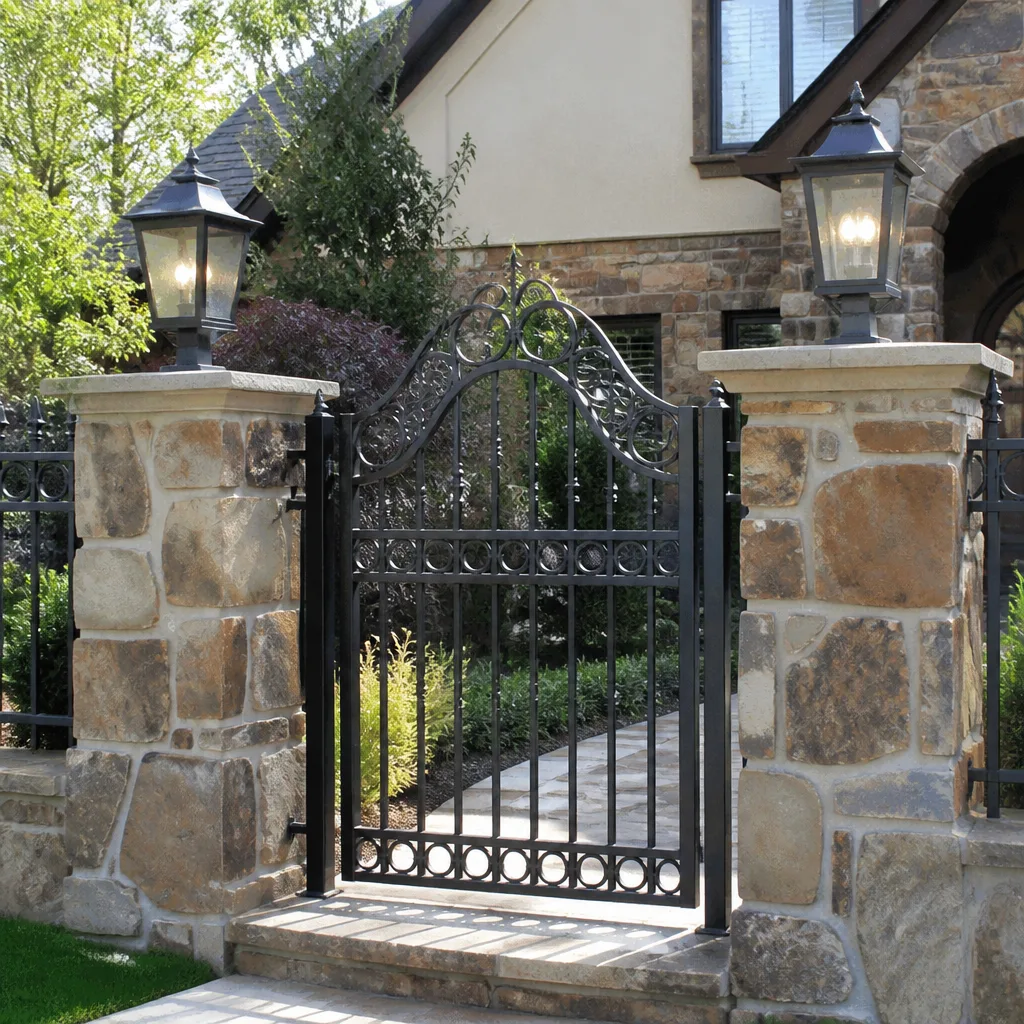 Wrought iron
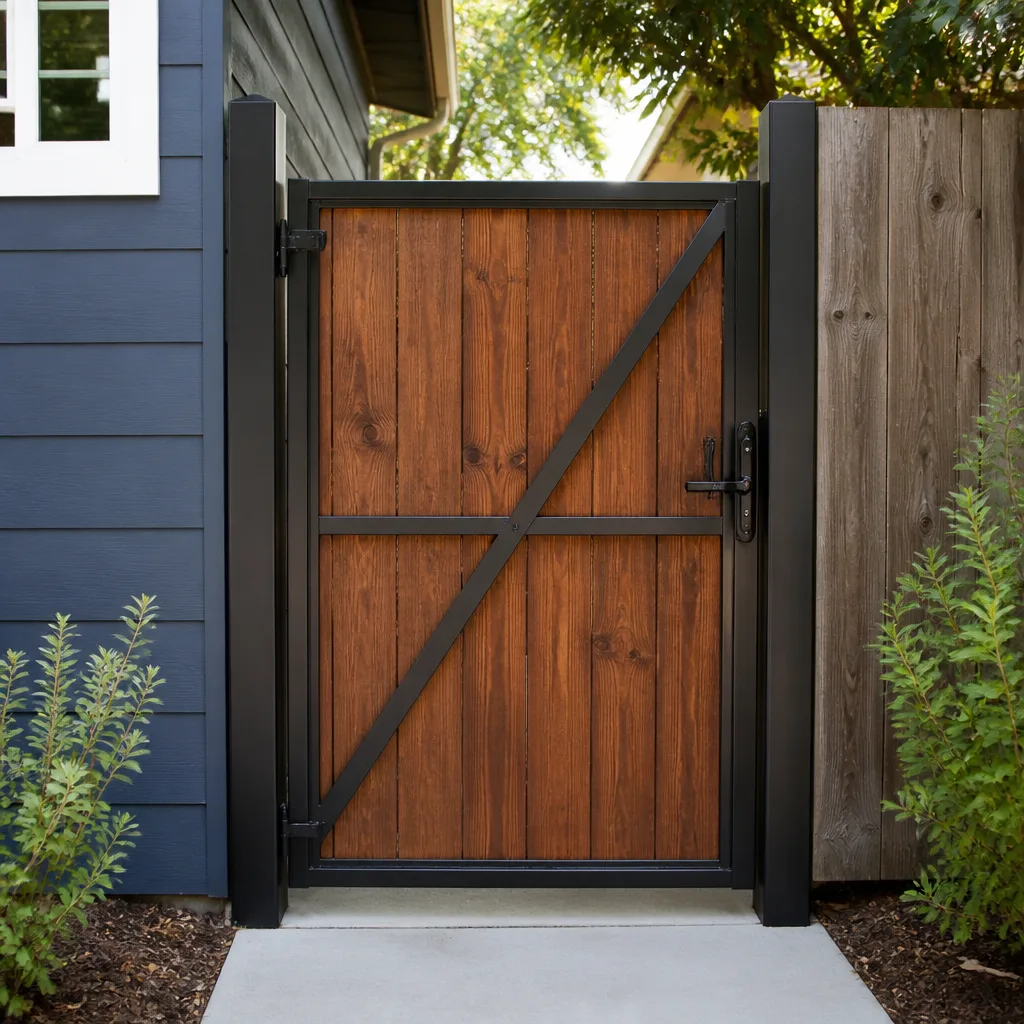 Wood & steel frame
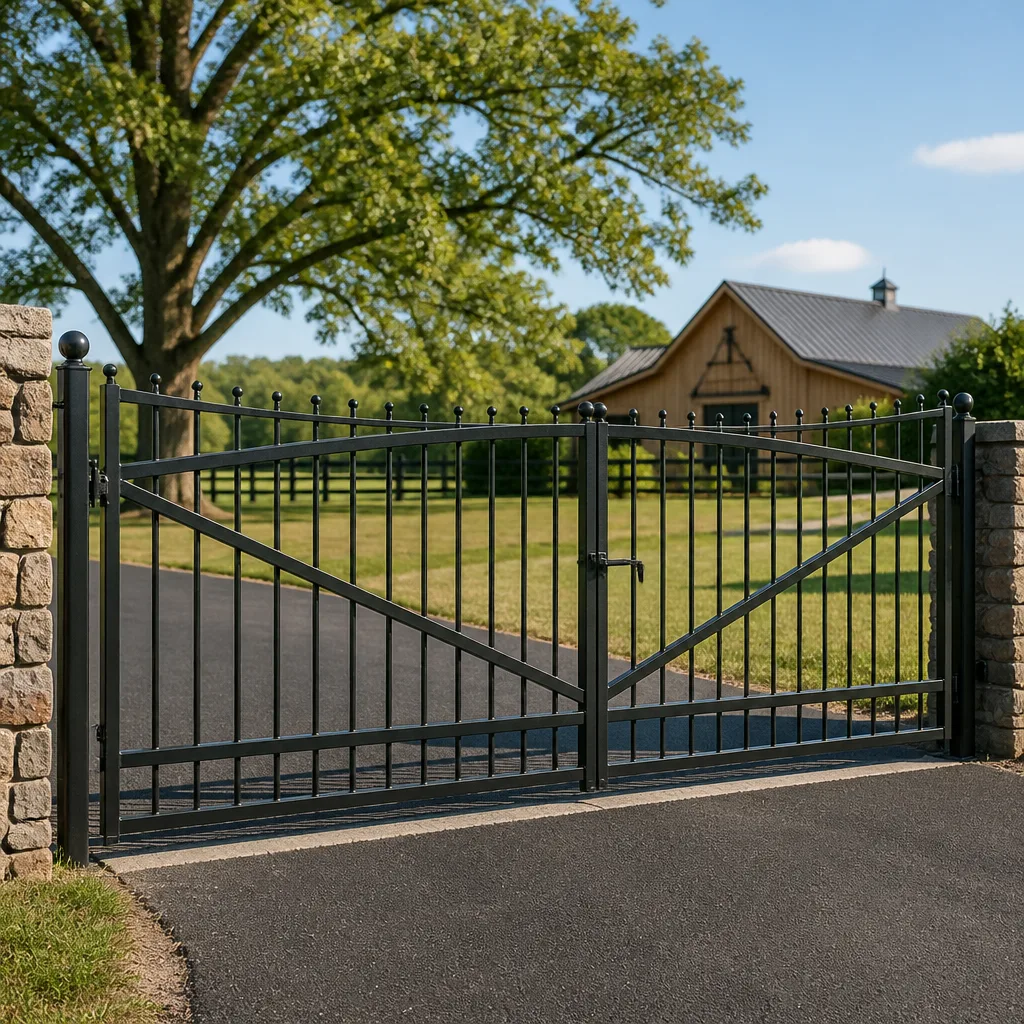 Farm & ranch
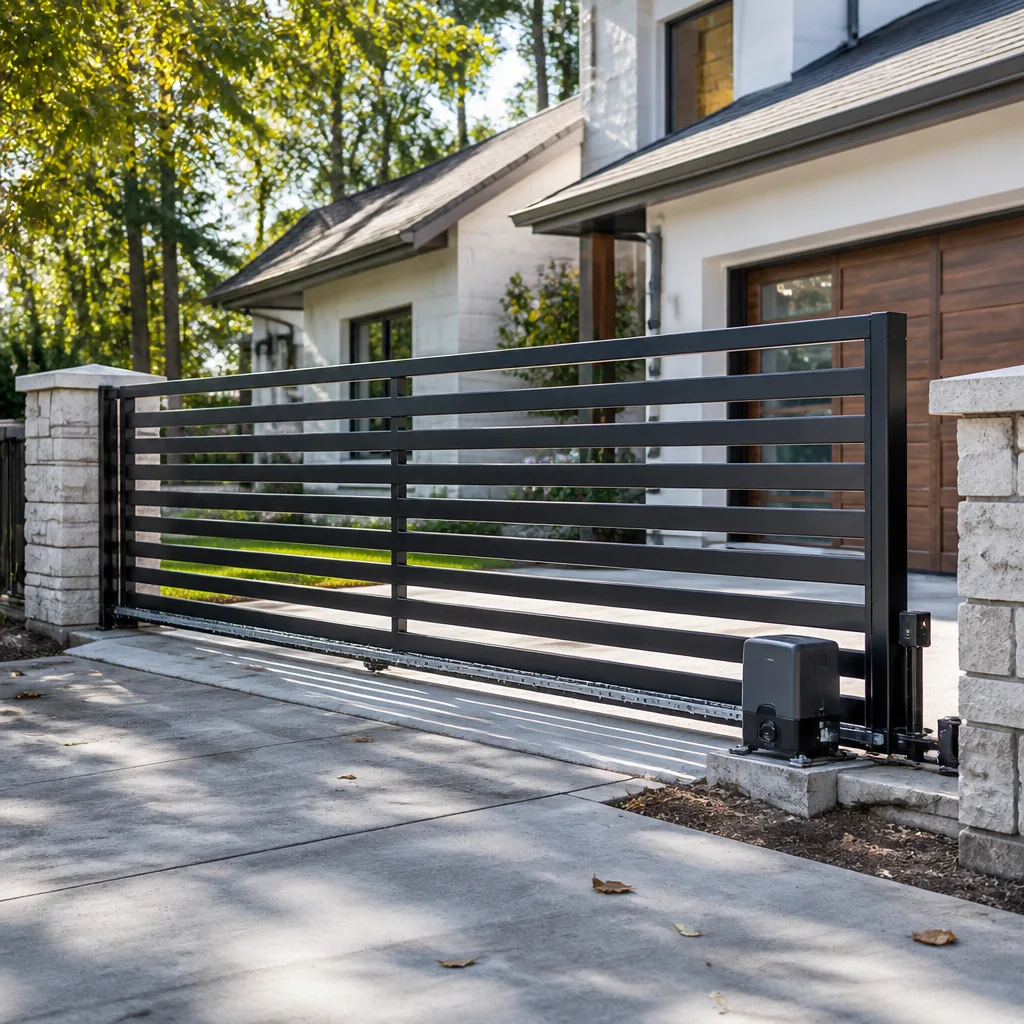 Sliding driveway gates
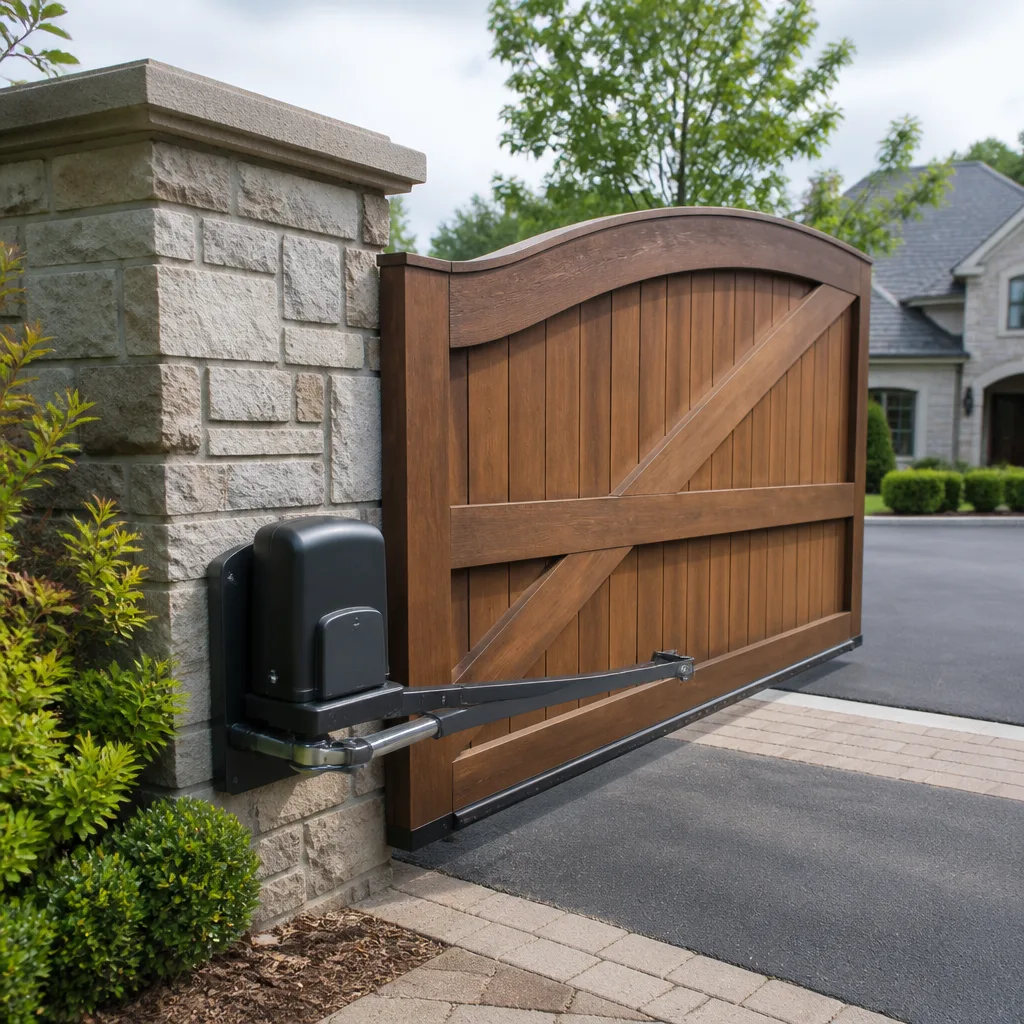 LiftMaster operators
Free on-site gate assessment - hinges, posts, and your LiftMaster or Nice gate operator checked before anything is quoted
The assessment is free and the quote is the invoice.
Get your free estimateGate Repair Maintenance Checklist for Mesquite Homeowners
The hinges weren’t rusty. A homeowner on a corner lot off Riverside Road had spent two summers spraying lubricant into the hinges of a sagging double gate, and it kept dragging anyway. When we finally dug down to the footing, the post had shifted about two inches in caliche soil. No amount of oil was ever going to fix that. That’s the pattern with gates in Mesquite: the failures that matter usually start in the ground and the sunlight, not in the moving parts you can see. This checklist is built around what we actually find on properties here, organized by component and by how often you should be checking it.
Quick Answer
A gate maintenance checklist for Mesquite should cover four things on a schedule: post and footing integrity (every season, because caliche and sandy desert soil move), lubrication by hinge type and gate weight (every 3 to 6 months, not once a year), automation health including battery voltage and photo-eye lenses (monthly in dusty months), and coating inspection tied to UV exposure (annually, before rust starts). If any of those four fails, you call a specialist. Everything else you can check yourself in ten minutes.
Styles & brands we work with
- Wrought iron
- Wood & steel frame
- Farm & ranch
- Sliding driveway gates
- LiftMaster operators
Table of Contents
- Post and Footing Integrity in Caliche and Sandy Desert Soil
- Lubrication Schedules by Hinge Type, Weight, and Exposure
- Automation Health Checks: Batteries, Limit Switches, and Photo-Eyes
- Paint and Coating Inspection for Mesquite’s UV Load
- The Pass/Fail Checklist You Can Run Yourself
- Seasonal Timing: Why Spring and Fall Matter Most Here
- Common Mistakes to Avoid
- When to Call a Professional
Key Takeaways
- Most gate failures in Mesquite start with the footing, not the hardware. Check the post before you check the hinge.
- Lubrication intervals depend on hinge type, gate weight, and how much wind and dust the gate sees. There’s no single right number.
- Photo-eye lenses foul with desert dust faster than most homeowners expect, and a fouled lens looks exactly like a failed opener.
- Paint touch-up buys you time, but Mesquite’s UV load eventually makes a full recoat cheaper than repeated patches.
- A pass/fail format tells you when to wait and when to call. The “wait” column saves you money; the “call” column saves you a gate on the ground.
Post and Footing Integrity in Caliche and Sandy Desert Soil
This is the check almost every generic checklist skips, and it’s the one that matters most in Mesquite. Caliche is a calcium-carbonate hardpan that forms in desert soil. It’s dense enough that digging a new footing can require a breaker bar, but it also drains poorly and holds water against the post after irrigation or a heavy monsoon rain. Around the sandy pockets near the Virgin River corridor, the opposite problem shows up: soil that shifts under a heavy gate and lets the post lean. Either way, the gate hangs off a post, and when the post moves, every hinge, latch, and operator adjustment you make is wasted effort.
How to check a post without digging it up
- Open the gate halfway and let it rest. Watch the post at ground level while the gate settles. Any visible gap opening at the soil line is a fail.
- Push firmly against the top of the post in both directions. You want zero movement. A quarter inch of flex is a pass with a note; anything more is a fail.
- Look for a ring of cracked or separated soil around the base. Cracking after a rain is normal once. Cracking that reopens in the same place is the footing moving.
- Check the gate’s plumb line against the post with a level. If the gate has drifted out of plumb and the hinges are tight, the post is the culprit.
- Inspect for white crusting or efflorescence on the concrete collar. It usually means water is sitting against the footing, which caliche makes worse.
In our experience, gates on the older lots around Highland Estates and the Sun City area tend to have footings set in the 1990s and early 2000s, and many are due for a re-set rather than a repair. A post that has shifted an inch and a half is a footing job. For a closer look at what that repair involves, see our Gate Repair in Mesquite page.
Lubrication Schedules by Hinge Type, Weight, and Exposure
“Lubricate annually” is the advice you’ll find on most checklists, and in Mesquite it’s usually wrong. A 300-pound wrought-iron double gate facing southwest across open desert gets a very different schedule than a light ornamental gate tucked behind a block wall. Here’s how we break it down for local properties.
- Ball-bearing hinges on heavy gates (200 pounds and up): every 3 months. These carry load continuously, and in the dust and heat here the grease thins out faster than in milder climates.
- Standard barrel hinges on light gates: every 6 months. Less load, less heat stress, but still twice a year in Mesquite’s summer.
- Exposed hinges on gates with no shade: every 3 months regardless of gate weight. UV breaks down lubricant films, and a gate that bakes in afternoon sun loses its protection faster than one under a ramada.
- Self-closing spring hinges: inspect every 3 months and lubricate every 6. Spring hinges on a heavy gate are under constant tension and are the most common point of sudden failure.
- Roller and track systems on sliding gates: clean and lubricate every 3 months. Desert grit on a track acts like sandpaper on the rollers.
One rule holds everywhere: use a lubricant that won’t collect dust. A dry-film or a light lithium grease beats a wet oil that turns into a grit magnet within a week. If the hinges are tight, the gate is plumb, and it still drags, the problem is upstream. Our Ironworks Gate Co. Mesquite home page covers the full scope of what we handle from hinges to automation.
Automation Health Checks: Batteries, Limit Switches, and Photo-Eyes
A gate opener that fails often fails in a way that looks like something else. A fouled photo-eye reads as a dead motor. A drifting limit switch reads as a gate that “won’t open all the way.” Catching these early is the difference between a fifteen-minute adjustment and a motor replacement. We service Viking, Ghost Controls, DoorKing, Elite, and five other major brands, and the checks below apply to all of them.
Monthly checks (five minutes)
- Photo-eye lenses: wipe both lenses with a dry cloth. In Mesquite’s dust, a film builds up in weeks, not months. Block the beam with your hand and confirm the gate reverses. If it doesn’t, stop and call.
- Manual release: test the emergency release key. It should move freely. Seized releases are common after a summer of disuse.
- Battery voltage (if your opener has a battery backup): a healthy 12-volt backup battery should read about 12.6 to 13 volts at rest. Below 12 volts means it’s on its way out and won’t carry the gate through a power outage.
Quarterly checks
- Limit switch drift: watch the gate open and close fully. The gate should stop at the same point every time. If it’s creeping past the stop or reversing early, the limit switches need adjustment.
- Safety edge or reversing sensor: place a light object in the gate’s path and confirm it reverses. This is the single most important safety test on any automatic gate.
- Mounting hardware: check the operator arm mounting bracket for loose bolts. Vibration loosens them over time, and a loose bracket stresses the motor.
If your opener is older or you’re not sure of its service history, our Gate Motor & Opener in Mesquite page explains what a full diagnostic covers. The photo-eye check above is the one to do first, every time.
Paint and Coating Inspection for Mesquite’s UV Load
Mesquite’s sun is the hardest test your gate’s finish will ever face. UV degrades paint and powder coat at a rate that surprises homeowners who moved here from milder climates. A gate that would need touch-up every three years somewhere else needs an annual inspection here. The rule of thumb we use: inspect coatings every year, touch up every year or two, and plan a full recoat the first time you find rust that keeps coming back in the same spot after a touch-up.
Signs touch-up is no longer enough
- Chalking or fading that covers a whole panel, not just a spot. That’s the finish breaking down across the surface.
- Rust that returns to the same weld or joint within a season. The metal behind the paint is the problem.
- Bubbling or flaking on horizontal surfaces. These catch the most sun and collect the most dust.
- Powder coat lifting at edges and corners. Once moisture gets under it, patching accelerates the failure.
When it’s time for a recoat or a repair that involves welding, that’s the moment to look at the gate’s structure as a whole. Our Gate Installation in Mesquite page covers when a repair makes sense and when replacement is the better spend. Either way, address the coating before rust reaches the frame.
The Pass/Fail Checklist You Can Run Yourself
This is the part of the guide we hope you’ll print. Run it every season, and note the date. A single “fail” that clears on its own is a pass with a note. A “fail” that shows up two seasons running is a call.
Post and footing
- Post moves when pushed: fail
- Soil ring re-cracking after rain: fail
- Gate out of plumb, hinges tight: fail
Hardware and lubrication
- Hinges dry or gritty to the touch: fail
- Gate drags when opened by hand: fail
- Latch misaligns after a season: fail
Automation
- Photo-eye fails the hand-block test: fail, call today
- Safety edge doesn’t reverse the gate: fail, call today
- Gate stops short or overshoots: fail, schedule a service
- Backup battery reads below 12 volts: fail, schedule a service
Coating
- Rust returns to the same spot after touch-up: fail
- Chalking across a panel: fail
- Isolated chip with clean metal underneath: pass, touch up
Seasonal Timing: Why Spring and Fall Matter Most Here
Mesquite’s seasons push harder on gates than most regions. Spring brings wind and blowing dust that work into hinges and photo-eye lenses. Summer is the UV and heat load, which stresses lubricants and coatings. Fall is monsoon residue, the rain that finds its way into caliche soil and settles against footings before it drains. Winter is the mildest window, which makes it the smart time for anything that involves a ladder and a paint can.
Here’s how we’d time the year on a Mesquite gate:
- Early spring: clear the dust, clean the lenses, lubricate, and check the footing after the windy season.
- Late spring: coating inspection before peak UV. Touch up anything small.
- Fall: post-monsoon footing check. This is the most important seasonal pass of the year.
- Winter: schedule any recoat or structural repair. Cooler weather is easier on coatings and on everyone involved.
We offer an $89 Seasonal Tune-Up that follows exactly this cadence, and it’s a good fit for gates that are otherwise in decent shape. If your gate has been sitting untouched for more than a year, start with a full inspection rather than a tune-up. Ironworks Gate Co. has been doing this work since 1984, and our technicians have up to 13 years of experience with the nine major automation brands, which means the correct fix usually happens on the first visit.
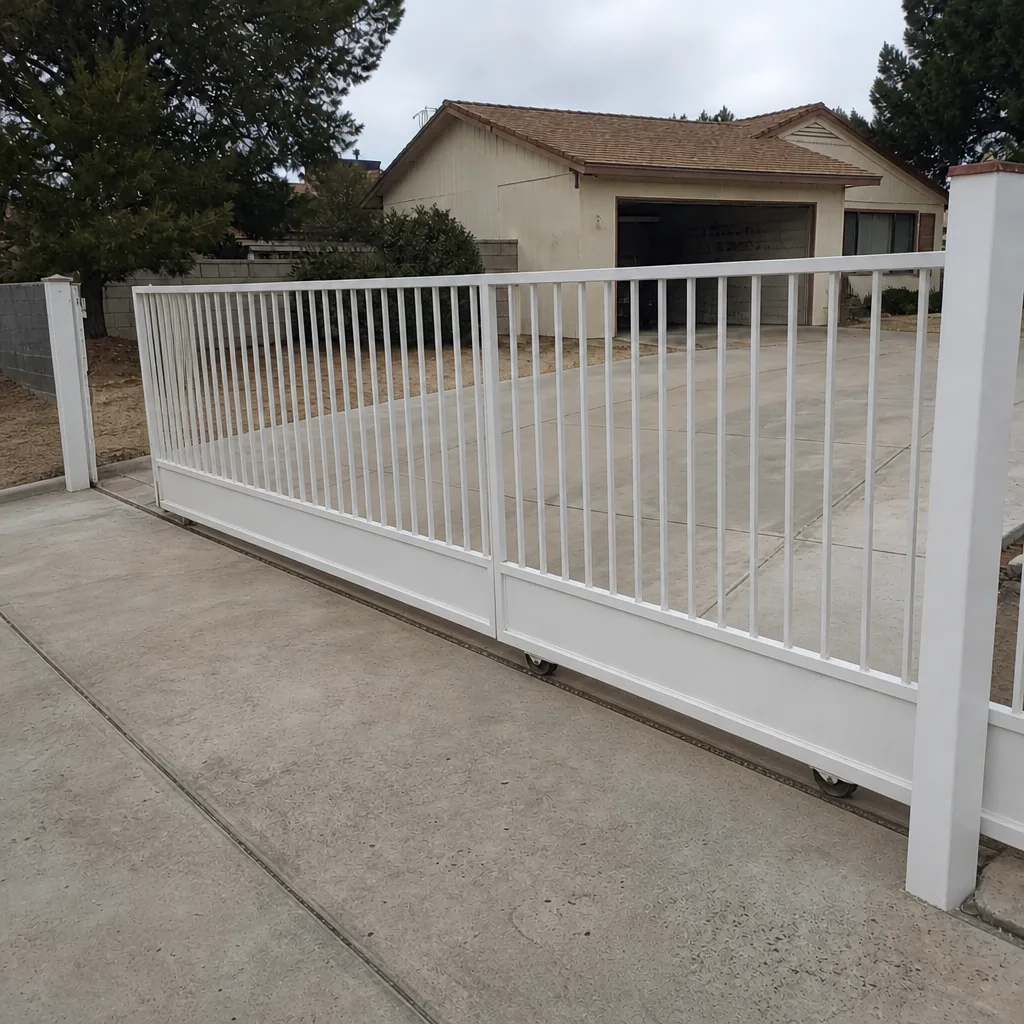
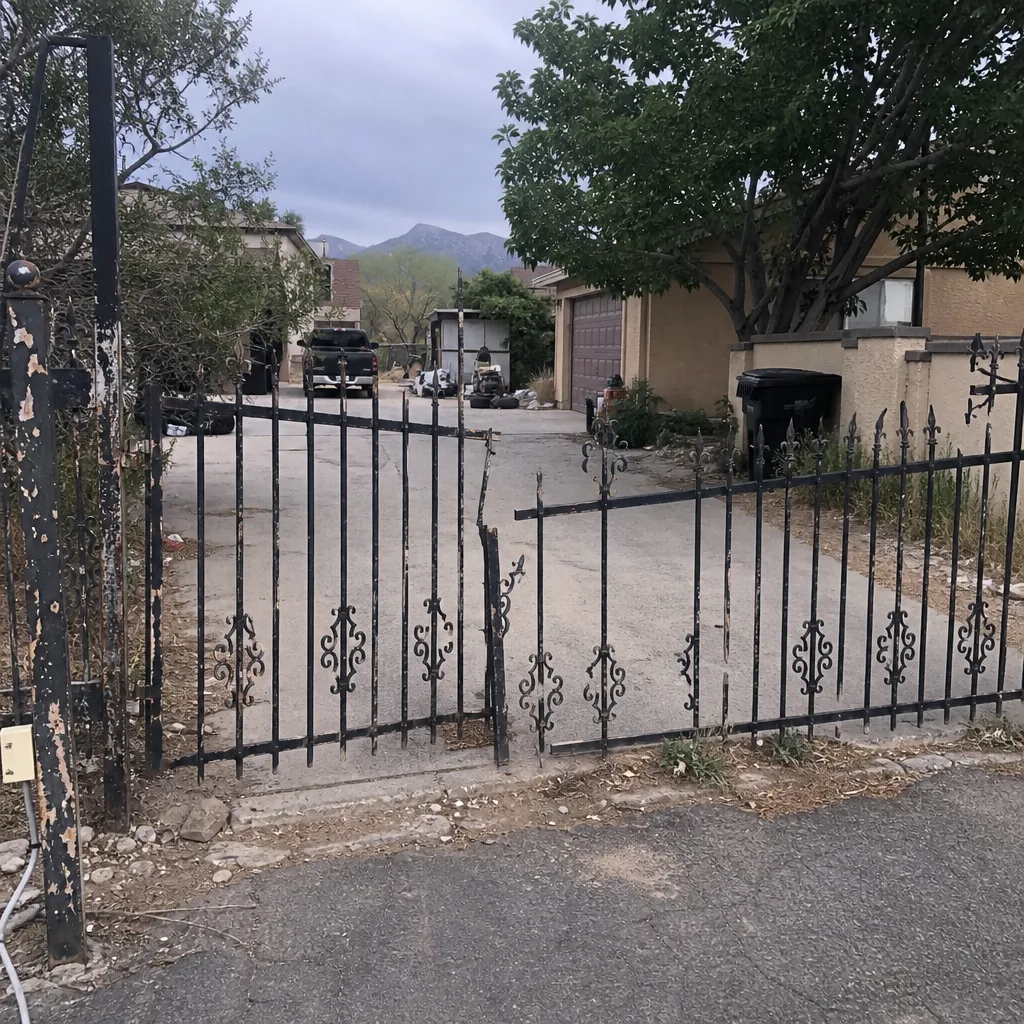
See the difference
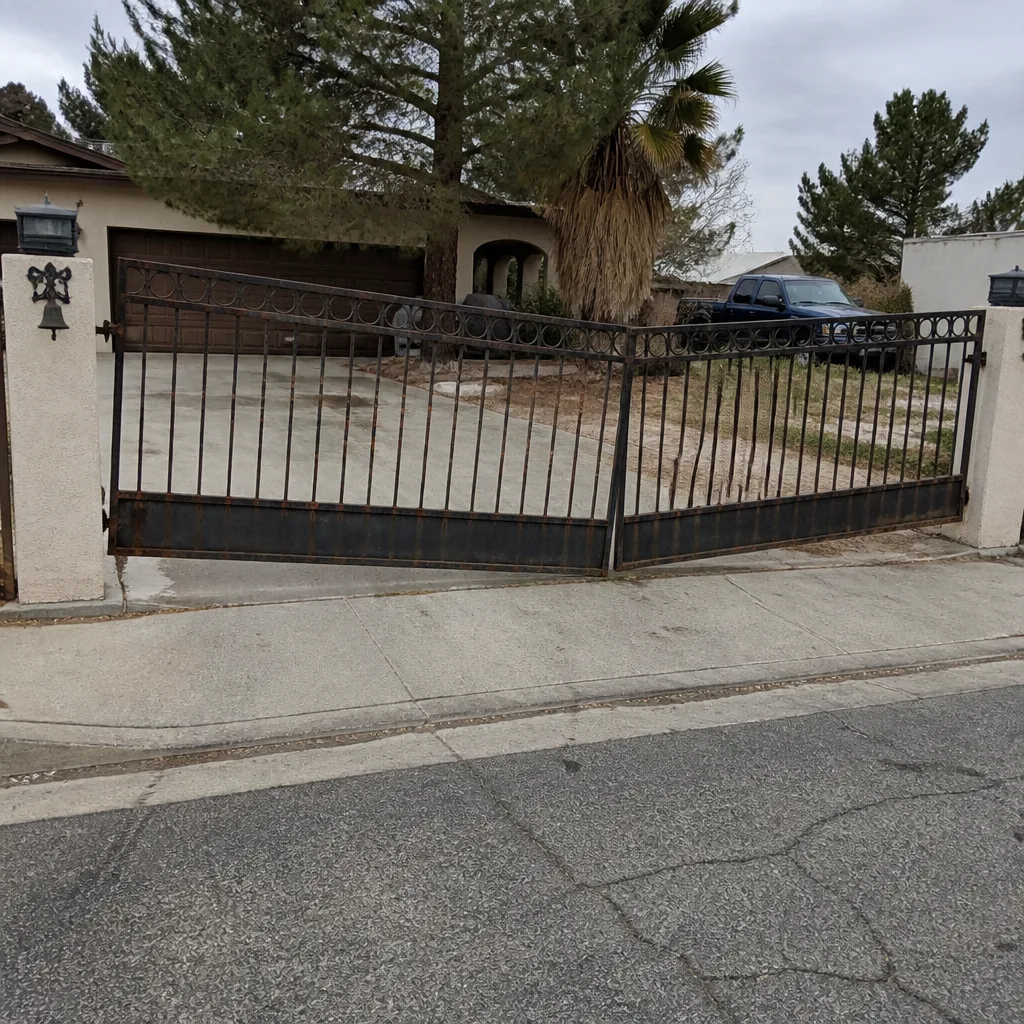 Before
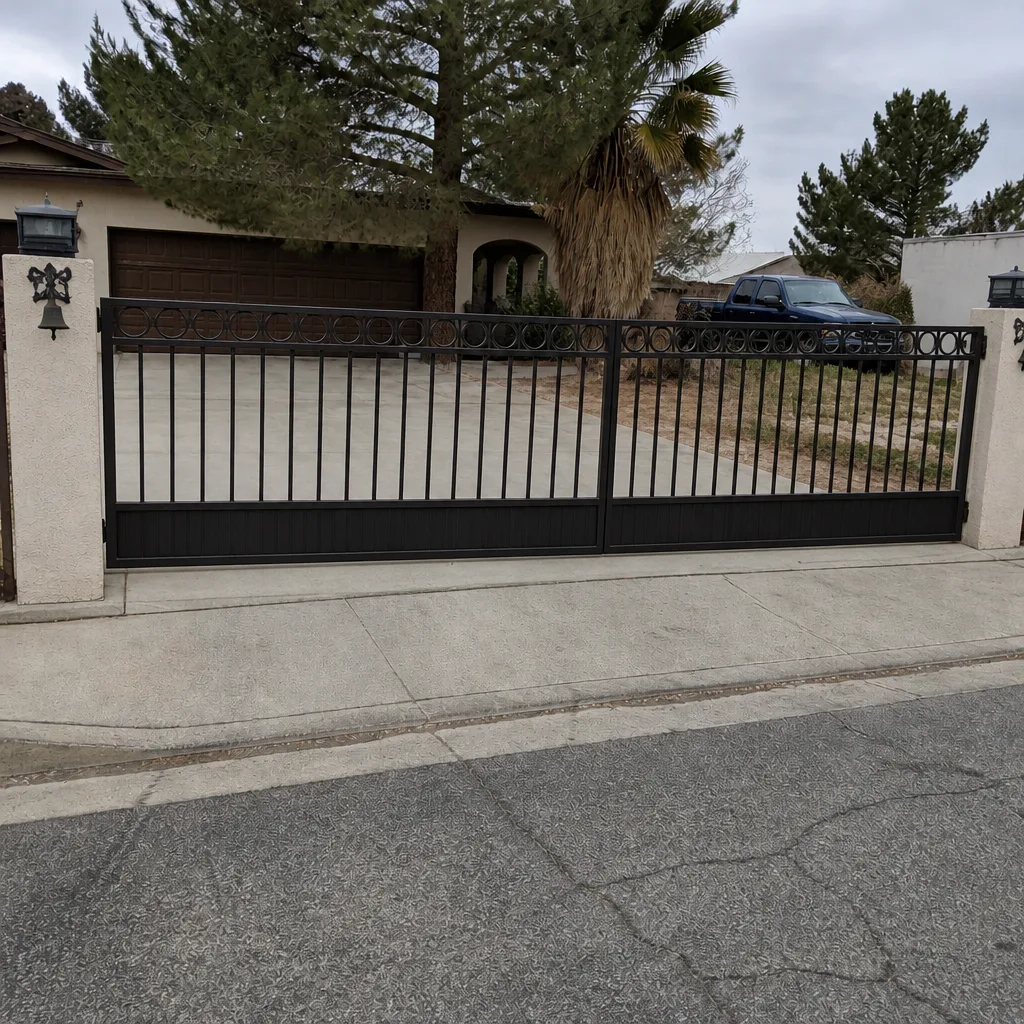 After
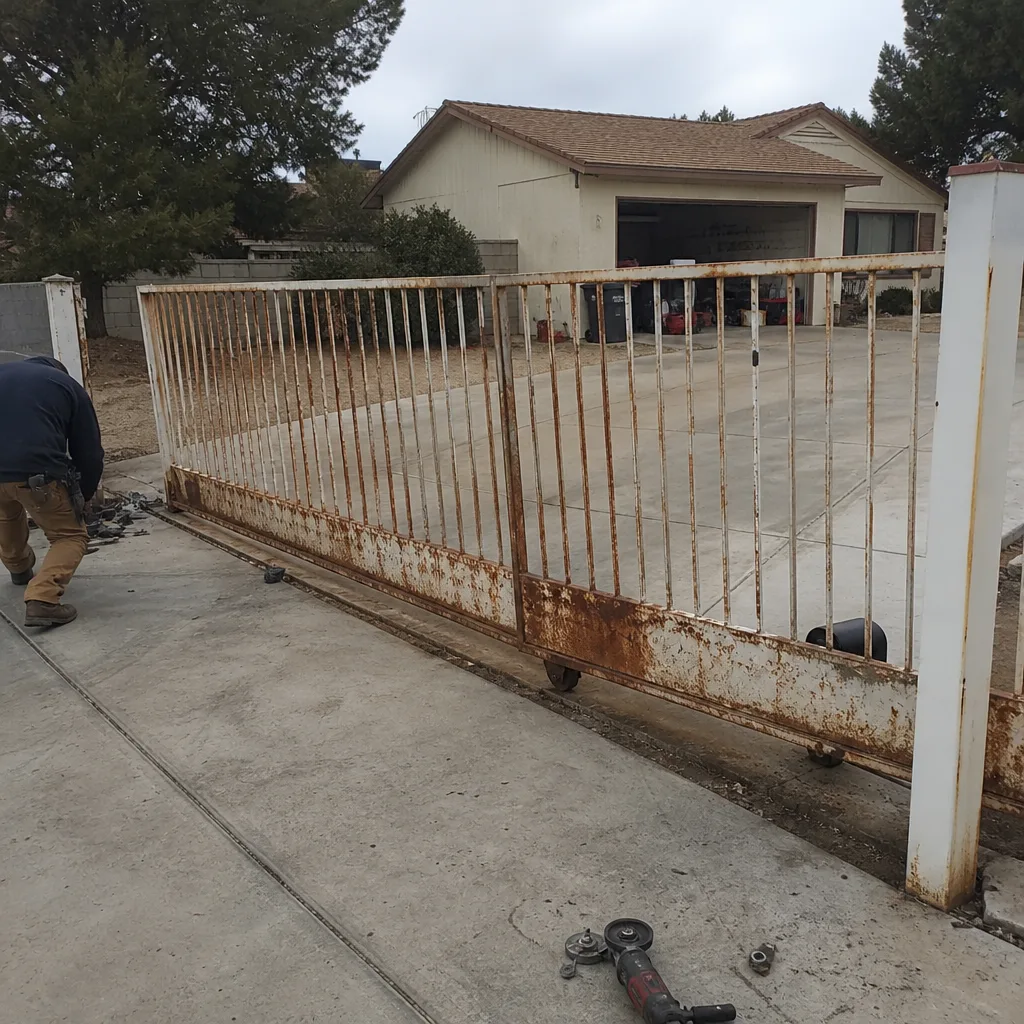 Before
 After
 Before
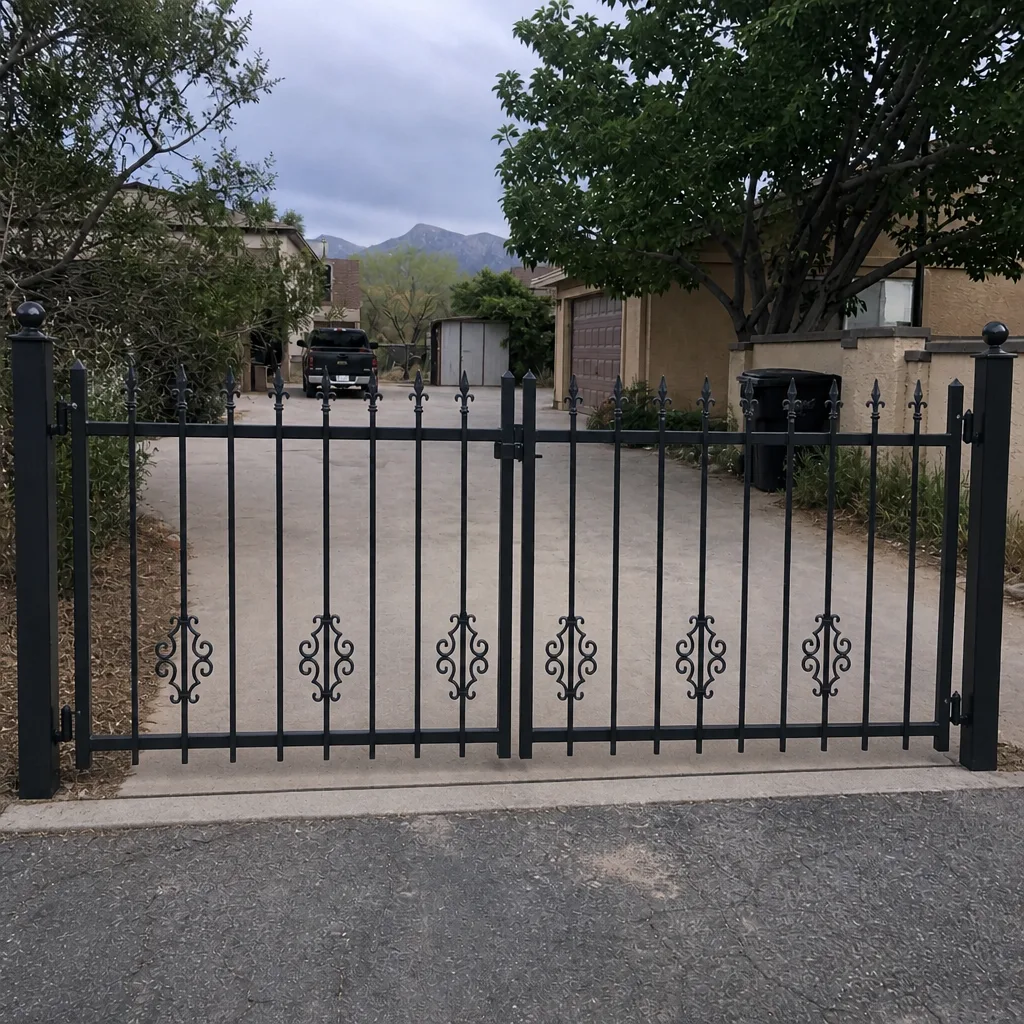 After
Common Mistakes to Avoid
- Lubricating before you check the post. If the footing has shifted, oil is a waste of time and money. Check the post first, every time.
- Using WD-40 as a hinge lubricant. It’s a solvent, not a long-term lubricant. It cleans, it displaces water, then it evaporates and leaves the hinge dry in Mesquite’s heat.
- Ignoring the photo-eye until the gate stops. A dusty lens mimics a dead motor. Cleaning the lenses monthly prevents the most common false alarm here.
- Patching rust without finding the source. If rust returns to the same weld, the weld is the problem, not the paint.
- Skipping the manufacturer’s safety reverse test. It’s the check that keeps a gate from closing on a child or a pet, and it takes thirty seconds.
- Waiting for a gate to fail before servicing the opener. Limit switch drift and low backup batteries are cheap fixes caught early and expensive fixes caught late.
- Patching a shifted footing with more concrete at the surface. The footing has to be re-set properly, or the gate will lean again within a season.
When to Call a Professional
Some of this you can run yourself. Some of it you shouldn’t touch. Call a specialist if the post moves in the soil, if the photo-eye or safety edge fails the reversal test, if the opener stops in a different spot each time, if rust returns after a touch-up, or if the backup battery reads below 12 volts. Those are the fails that lead to gates falling, motors failing, or worse. A trained technician on the right brand makes the correct fix the first time. Ironworks Gate Co. Mesquite offers free estimates in Mesquite, every completed job is backed in writing by our 90-Day Done Right Promise, and we answer the phone with a live person 24 hours a day. Call (844) 797-2573 to schedule yours.
Frequently Asked Questions
Every 3 to 6 months, depending on hinge type and gate weight. Heavy gates on ball-bearing hinges and any gate fully exposed to sun and dust should be lubricated every 3 months; lighter gates in shade can go 6. Call (844) 797-2573 for an exact recommendation – estimates are free.
Because the hinges probably aren’t the cause. In Mesquite, a dragging gate is most often a shifted post footing in caliche or sandy soil, and no amount of lubrication fixes a post that has moved. Call (844) 797-2573 for a free estimate to check the footing.
Post footing movement, followed closely by dusty photo-eye lenses faking an opener failure. Caliche soil holds water against footings and sandy pockets let them shift, so we see more post issues here than in most cities. Call (844) 797-2573 for an exact quote on a post re-set.
When rust returns to the same spot within a season, or when chalking covers a whole panel. Mesquite’s UV load breaks down finishes faster than in milder climates, so annual inspection is the rule. Call (844) 797-2573 for a free estimate on a recoat.
Most safety-edge and photo-eye repairs are same-day jobs, since these are the components we’d never recommend leaving until next week. We keep the parts on hand for Viking, Ghost Controls, DoorKing, and Elite systems. Call (844) 797-2573 for an exact quote – estimates are free.
We’re trained and equipped on nine major brands: LiftMaster, FAAC, BFT, Linear, Viking, Ghost Controls, DoorKing, Elite, and Mighty Mule. If your opener falls outside that list, call (844) 797-2573 and we’ll tell you straight whether we can service it.
The Bottom Line
A gate maintenance checklist worth keeping in Mesquite starts in the ground, not in the hinge. Check the post first, lubricate by type and weight instead of on a calendar, clean the photo-eyes monthly, and inspect coatings every year so you catch the UV damage before rust does. That’s the whole discipline. It’s the difference between a gate that closes like it did the day it was hung and one that fails in the middle of a storm. If your inspection turns up a fail you’d rather not handle yourself, Ironworks Gate Co. is a phone call away, and the price is settled before we turn a single bolt.
Call (844) 797-2573 today for a free estimate. We stand behind every job with our 90-Day Done Right Promise, we’re certified across nine major gate-automation brands, and we’d be glad to take a look before your gate’s next fail becomes a bigger job.
Written by the team at Ironworks Gate Co. Mesquite.