
Last updated November 17, 2026
 Wrought iron
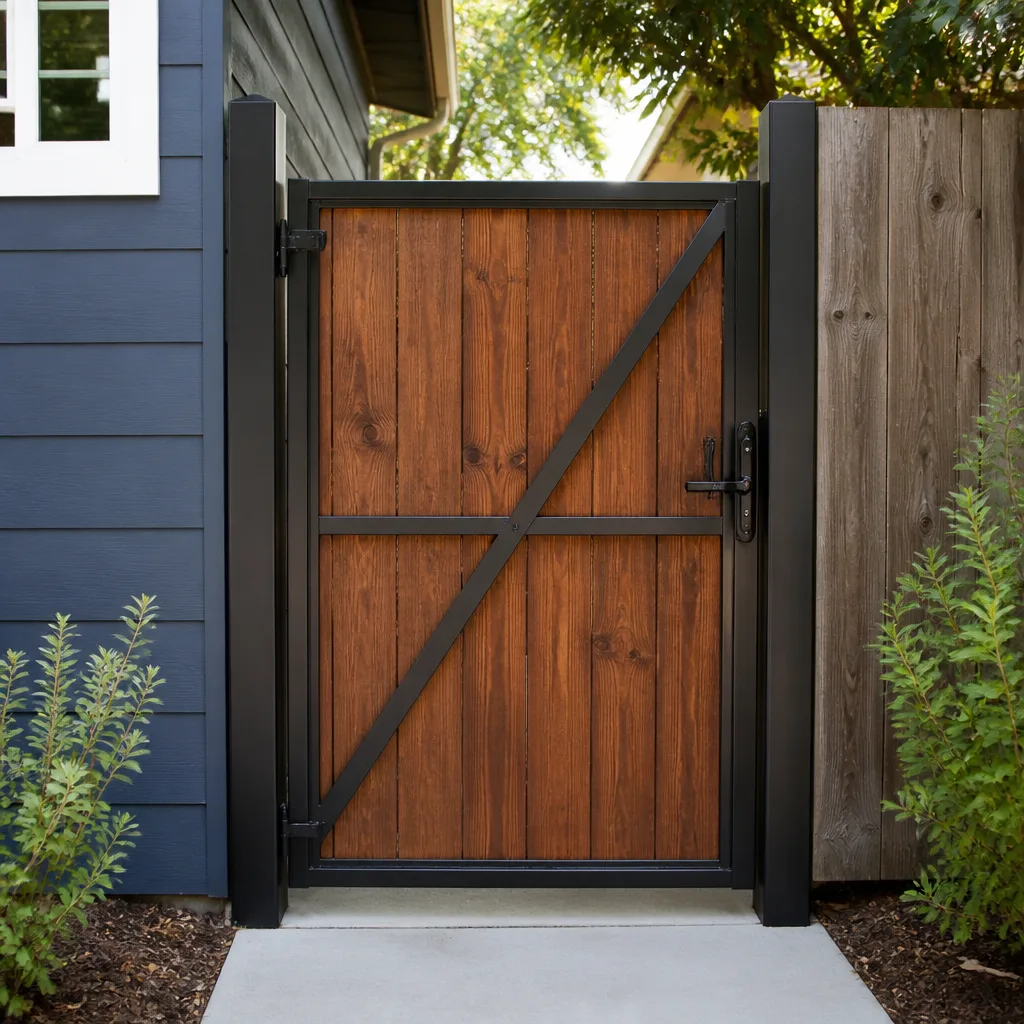 Wood & steel frame
 Farm & ranch
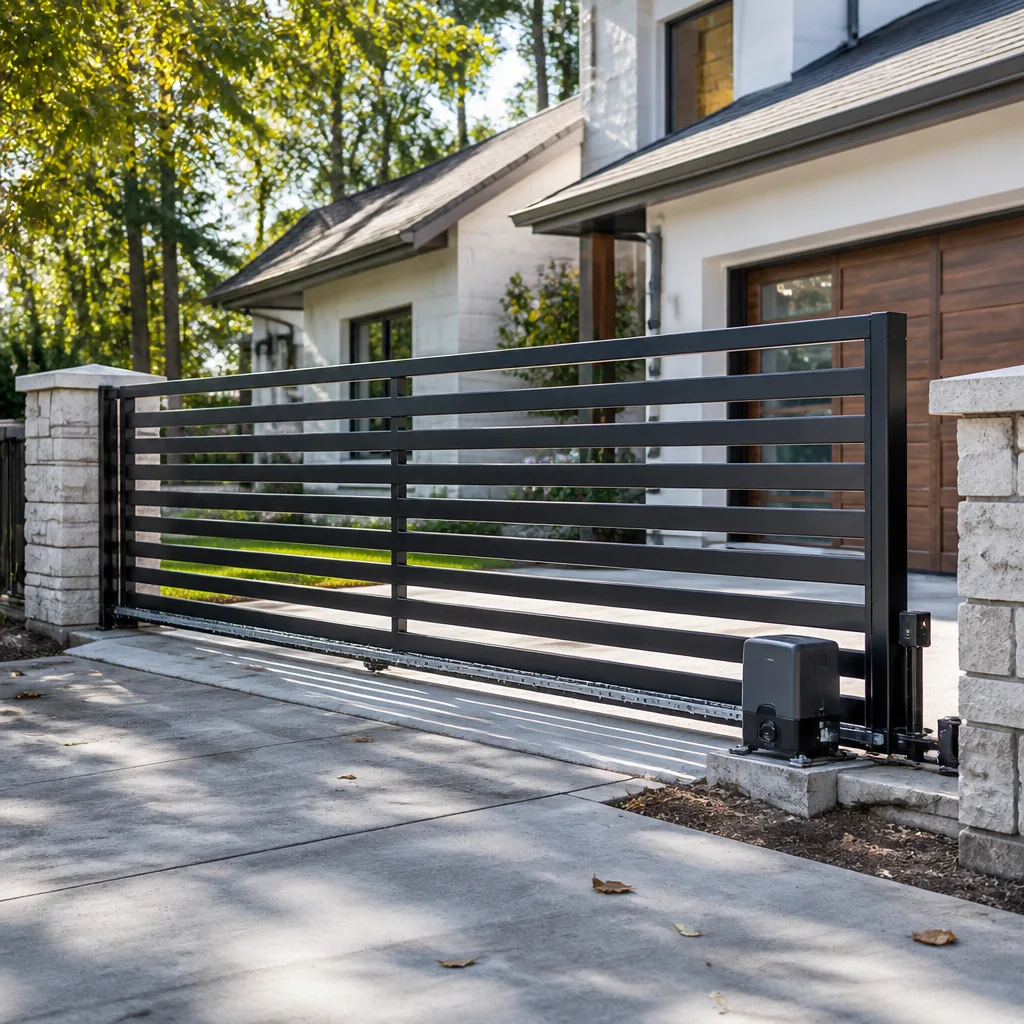 Sliding driveway gates
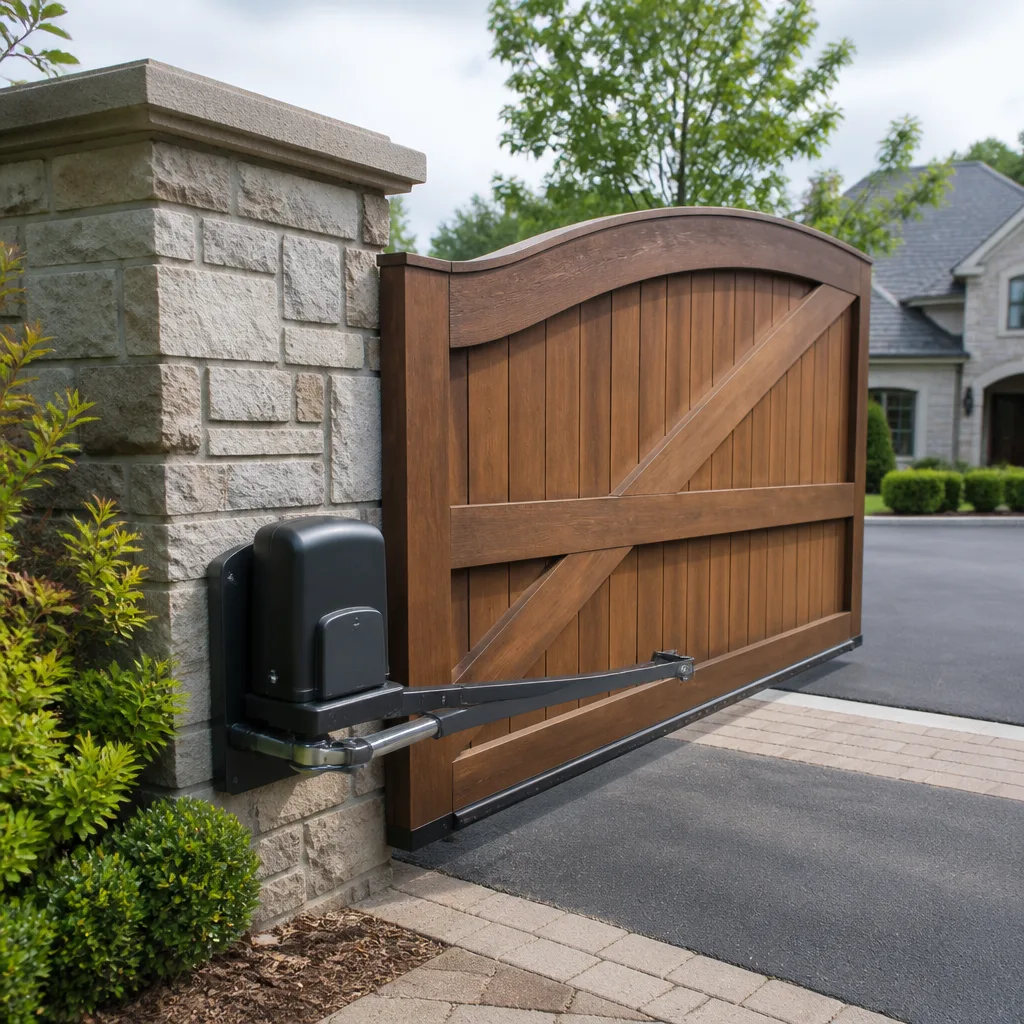 LiftMaster operators
Free on-site gate assessment - hinges, posts, and your LiftMaster or Nice gate operator checked before anything is quoted
The assessment is free and the quote is the invoice.
Get your free estimateGate Repair Warning Signs Every Homeowner Should Know
A gate that hesitates for half a second before it moves isn’t “just getting old.” That pause is a motor pulling more current than it should against mechanical resistance that wasn’t there last year, and in our experience that half-second becomes a gate that won’t open at all within about 90 days. Most gate failures announce themselves well before they strand you in the driveway. The problem is that homeowners don’t know what the early signals look like, or they write off a small quirk as normal because nothing has broken yet. This guide teaches you to read the language your gate is already speaking, so you stop getting surprised by expensive failures. We’ve spent years diagnosing gates across Mesquite, and the pattern holds: the folks who catch the warning signs early spend far less than the ones who wait for a collapse.
Quick Answer
The most important gate repair warning signs are a hesitation or pause before movement, new or changing sounds (grinding, clicking, scraping, thudding), a gate that drifts out of alignment and drags or rubs, and safety sensors that reverse the gate even when nothing is in the way. Any of these means something is already wearing and should be inspected before it turns into a full failure. Catching them early usually turns a repair into a tune-up rather than a motor replacement.
Styles & brands we work with
- Wrought iron
- Wood & steel frame
- Farm & ranch
- Sliding driveway gates
- LiftMaster operators
Table of Contents
- The Five Behavioral Changes That Precede Most Gate Failures
- Reading the Four Sounds: Grinding, Clicking, Scraping, and Thud
- Visual Signs You Only See Under the Right Conditions
- When a “Malfunction” Is Really a Sensor Alignment Issue
- How to Log and Describe Warning Signs Before You Call
- Why Mesquite Heat and Dust Accelerate Gate Wear
- Common Mistakes to Avoid
- When to Call a Professional
The Five Behavioral Changes That Precede Most Gate Failures
A gate doesn’t fail in a vacuum. It changes how it behaves first, and those changes follow a rough order. In our experience, when a homeowner tells us “it’s been acting funny for a while,” it’s almost always one of these five things. Knowing them lets you catch trouble while it’s still small.
- The pause. A delay of even half a second before the gate starts moving. This points to a motor drawing excess current against resistance, or a failing control board. It’s the single most predictive sign we see.
- Slowing down mid-travel. The gate starts fine but gets sluggish partway through. Usually friction in the hinges, rollers, or track, or a motor losing torque.
- Stopping and reversing on its own. The gate opens a few feet and then goes back. This is often a safety sensor or an obstruction issue rather than the motor itself.
- Uneven movement. One side of a double gate lagging or catching up late. Binding hinges or a worn operator are common culprits.
- Refusing to move after a click. You hear the operator engage but the gate doesn’t budge. That’s mechanical binding or a stripped gear, and it won’t fix itself.
These behavioral changes are the reason our Gate Repair in Mesquite team starts every diagnosis with a conversation, not a wrench. What you noticed and when tells us where to look before we touch a bolt. One of the most common things we hear is “it still works, so I didn’t call.” Working and healthy aren’t the same thing.
Reading the Four Sounds: Grinding, Clicking, Scraping, and Thud
Every gate has a voice, and the sound it makes points you toward the part that’s failing. A healthy gate is mostly quiet: a low motor hum and the soft engagement of the mechanism. When that changes, listen closely before you call, because your description speeds up the diagnosis and often lowers the cost. Here’s how we read the four sounds homeowners consistently dismiss.
- Grinding. Metal-on-metal contact. This usually means worn or dry bearings, a failing gearbox, or debris in the track. Grinding rarely corrects itself and tends to get louder and more expensive the longer it runs.
- Clicking. Often electrical: a relay or control board firing without the motor engaging, or a limit switch misreading position. On brands like LiftMaster or FAAC, a repeated click with no movement usually points to the control side, not the mechanical side.
- Scraping. The gate is rubbing against something: the ground, a post, a track, or the frame. This is a alignment and clearance issue and it wears down both the gate and the operator.
- A heavy thud or clunk. This can be the operator slamming at the end of travel, a loose mount, or a hinge pulling away from the frame. Loose hardware under a heavy gate is a structural concern and should be looked at promptly.
We’ve walked up to gates in Mesquite where a scraping sound had been ignored for two seasons, wearing a groove into a track that a simple adjustment would have spared. Sounds are the cheapest early-warning system you own. If you’re ever unsure what a new noise means, our Gate Motor & Opener in Mesquite service covers everything from the operator to the drive mechanism, and tuning one brand or another is routine for us, whether it’s an Elite, a Mighty Mule, or a LiftMaster on the driveway.
Visual Signs You Only See Under the Right Conditions
Some gate problems don’t show up when you give the gate a casual glance from the driver’s seat. They show up when you watch the gate operate under specific conditions. This is one of the best habits you can build, and almost nobody does it.
- Watch it in the heat of the day. Metal expands, and clearances that were fine in the cool morning can tighten. A gate that scrapes only in the afternoon is telling you something about clearance and alignment.
- Watch it after dark. Evening is when safety sensors, lighting, and electrical faults show themselves most clearly. A sensor that struggles in changing light won’t always fail at noon.
- Watch it in both directions. A gate that opens cleanly but drags on the way closed has an issue you’ll only catch by watching the full cycle. Most people see only the opening.
- Look for rust bloom and stress cracks. Orange dust around pivot points, hairline cracks near welds, or a hinge that looks slightly cocked. Welds matter, and a compromised weld on a heavy gate is a safety issue, not a cosmetic one.
- Look for sagging and daylight. A visible gap under one side of a double gate, or a leaf that hangs lower than it did before, points to worn hinges or a settling post.
Doing this once a season, in Mesquite’s summer heat and again on a cool morning, gives you a baseline. New rust bloom around the pivots or a fresh scratch where the gate now meets the drive is information. Grabbing a photo each time gives you a record you can compare. Our Gate Installation in Mesquite team builds gates and more to withstand the conditions here, and that same eye for clearance and alignment is what we bring to diagnosis.
When a “Malfunction” Is Really a Sensor Alignment Issue
Plenty of calls we get are for a gate that “malfunctions,” opens a couple of feet, reverses, and tries again. Often the operator is fine and the problem is safety sensor alignment. The safety edges and photoelectric sensors are what stop the gate before it hits someone, and they’re designed to be fussy. That fussiness looks like a malfunction if you don’t know what you’re watching.
Here’s why the distinction matters. A sensor issue is usually a fast, inexpensive fix compared to a motor or control board replacement. Recognizing the difference early spares you from worrying about a motor that’s actually healthy, and spares your wallet from a fix that was never needed.
- Sensor looks blocked or dirty. Dust, cobwebs, or a stray leaf between sensor lenses will trip a reversal without any real obstruction.
- Sensor knocked out of line. Even a small bump to the post or the sensor housing can point the beams slightly off. A gate that reverses at a consistent spot every cycle is often aligned wrong.
- Sensor works in one direction only. If the gate reverses on the way closed but not on the way open, you’ve likely got one bad sensor or a miswired connection.
- Reverses more in certain light. Fading or dirty lens on the optical sensor, or a nearby reflection.
Never bypass a safety sensor to make a gate stop reversing. That sensor exists for a reason. On a driveway where kids, pets, or visitors come and go, an unaligned or disabled safety edge is a genuine hazard, and it’s something a trained technician resolves correctly. If your access control and sensors are part of the problem, we treat them together because that’s where the diagnosis leads. Call us at (844) 797-2573 and we’ll take it from there, with a free estimate in Mesquite.
How to Log and Describe Warning Signs Before You Call
Before you pick up the phone, a few minutes of note-taking makes the diagnosis faster and often cheaper. The best technicians don’t need to guess if you can tell them exactly what you’re seeing. Here’s how to gather useful information in a few moments.
- Note the sound and where it comes from. “Grinding from the hinge side when opening” tells us far more than “it’s making noise.”
- Note when it happens. Every time, after rain and dust, only in the afternoon heat, only after dark. Timing is a clue.
- Note which direction. Opening, closing, or both.
- Take a short video. A 15-second clip of the full cycle, including the pause or the scrape, is worth a page of notes.
- Note anything recent. A bump to a post, a power flicker, a season of heavy use. Changes in behavior often trace back to an event.
We’ve had homeowners hand us a video and a two-line note and we’ve known the likely cause before we pulled in the drive. That’s not a shortcut around the work. It’s a clearer starting point, and it means the visit gets to the correct fix faster. In our experience, the most expensive problems aren’t the hardest ones. They’re the ones nobody described until the gate stopped completely. Give our Ironworks Gate Co. Mesquite home team the sound, the timing, and the direction, and you’ve already done the first step of the repair.
Why Mesquite Heat and Dust Accelerate Gate Wear
A gate in Mesquite lives a harder life than one in a mild, humid climate, and the local conditions change the timing of these warning signs. Summer temperatures routinely push past 110°F, and that heat does two things. It thins and breaks down grease faster, and it expands metal, tightening the clearances between hinges, rollers, and tracks. A gate that was adjusted in cooler weather can start rubbing by August.
Dust is the second factor. Wind-blown desert grit gets into tracks, pivot points, and sensor alignments and acts like a mild abrasive. We see more frequent grinding, more sensor nudges, and more rust bloom near the weld points than homeowners expect for a gate that isn’t that old. The takeaway for Mesquite homeowners is a shorter inspection rhythm than the general advice suggests: check the gate in late spring before the heat peaks and again in fall. Grease that’s run dry or dust in the track is a warning sign here, not just a maintenance detail. A schedule built around local conditions is one reason a gate installed and set up correctly from the start asks less of you later. If the conditions have had their way with your hardware, our seasonal tune-up exists for exactly this reason.
Common Mistakes to Avoid
- Waiting until it stops completely. A gate that “still works” can be weeks from a motor replacement. A small quirk that’s been there for months is a warning sign, not normal wear.
- Greasing the track until it’s slick enough to skate on. Excess grease collects Mesquite dust and grinds against the mechanism. Light, correct lubrication at the right points beats a thick coat everywhere.
- Bypassing the safety sensor to stop the reversing. It’s tempting when a gate won’t stay closed, but it removes the one thing guarding people and pets from a heavy moving gate. Fix the alignment, don’t disable the sensor.
- Ignoring a new sound because the gate still moves. Grinding and scraping rarely get cheaper with time. The noise is the cheapest warning you’ll ever get.
- Assuming all quirks are normal for the beach. Harsh heat and dust speed up ordinary wear, and a gate in Mesquite often needs attention sooner than a gate in a mild climate. That makes frequent checking a habit here.
- Hiring whoever is closest without checking their work. A gate is a balanced system of welding, hinges, and operator, and a quick, wrong fix can turn a small repair into a real failure. A clear, upfront written price and a real diagnosis are worth more than the lowest bid.
- Forgetting the operator when it’s really the sensor. Chasing the wrong part costs money. Naming the sound and the timing first keeps the repair focused on the real cause.
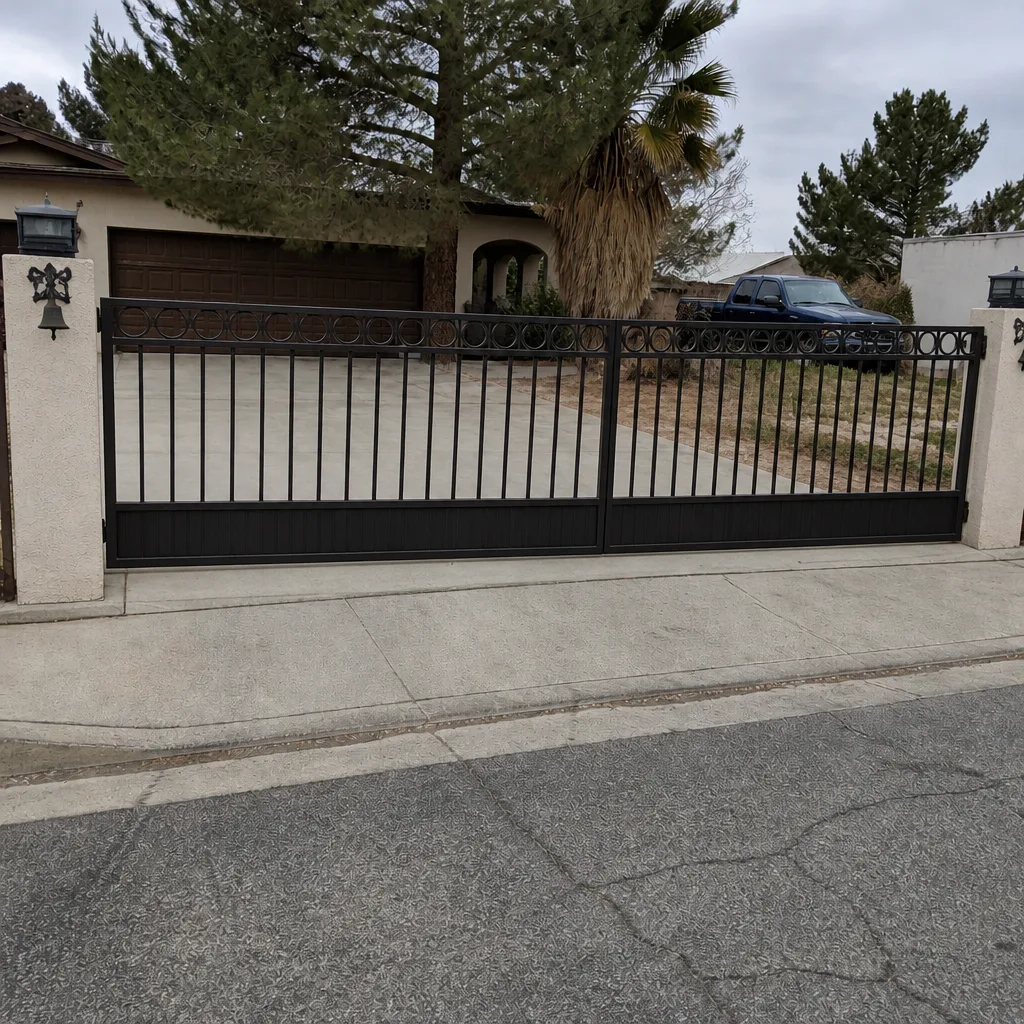
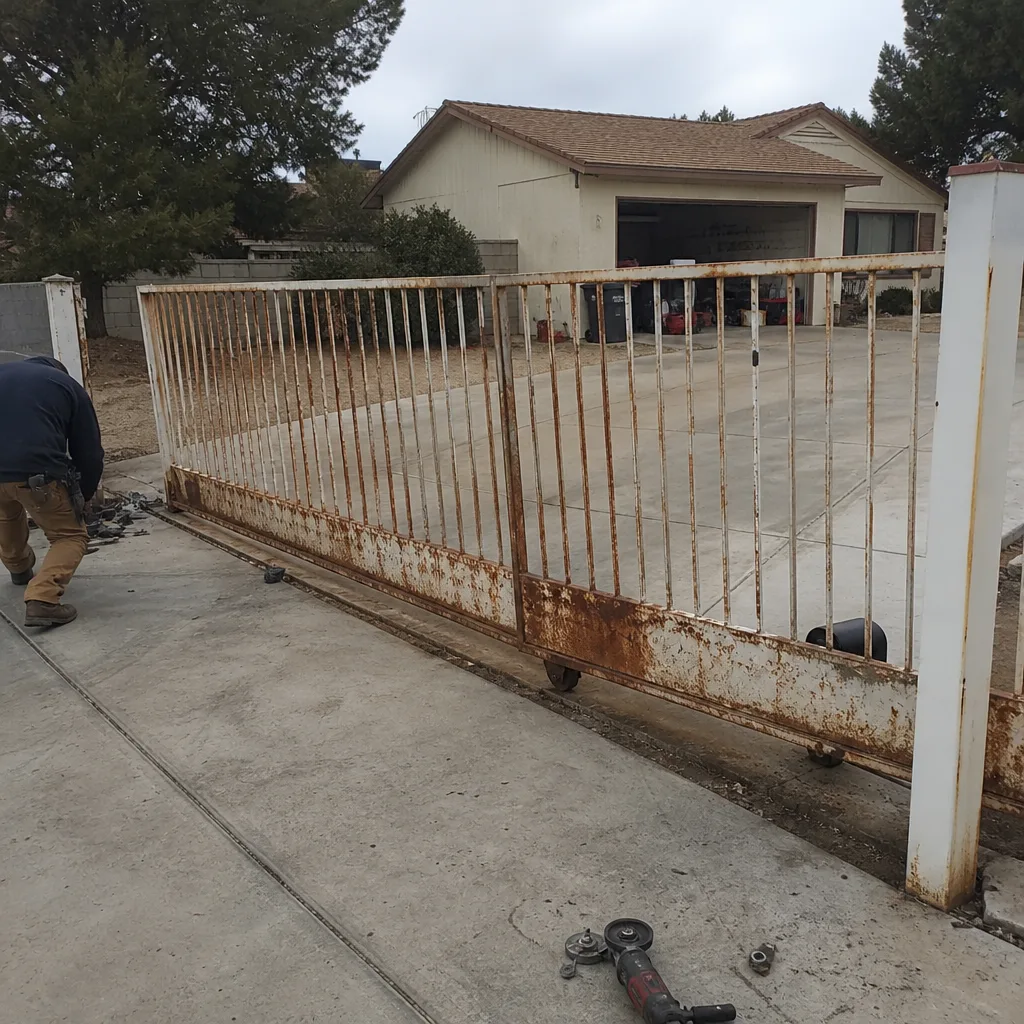
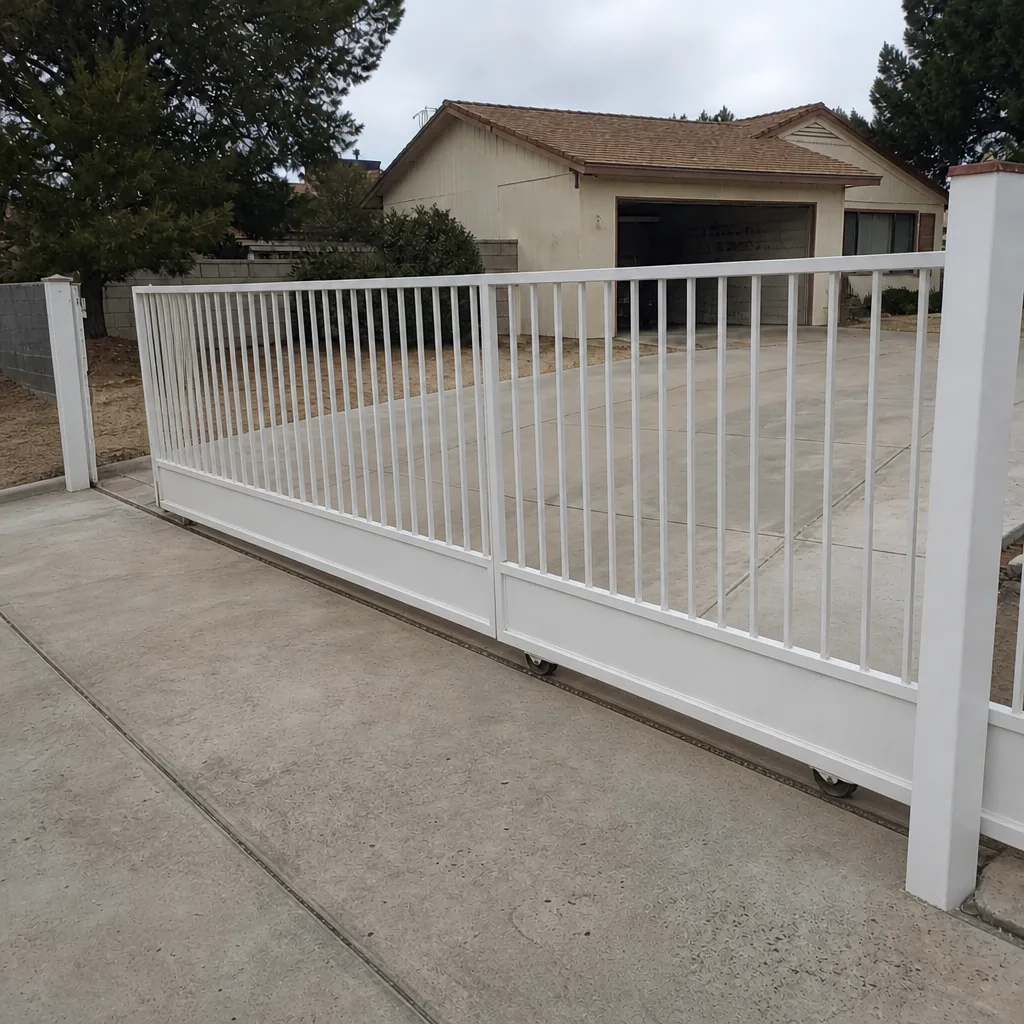
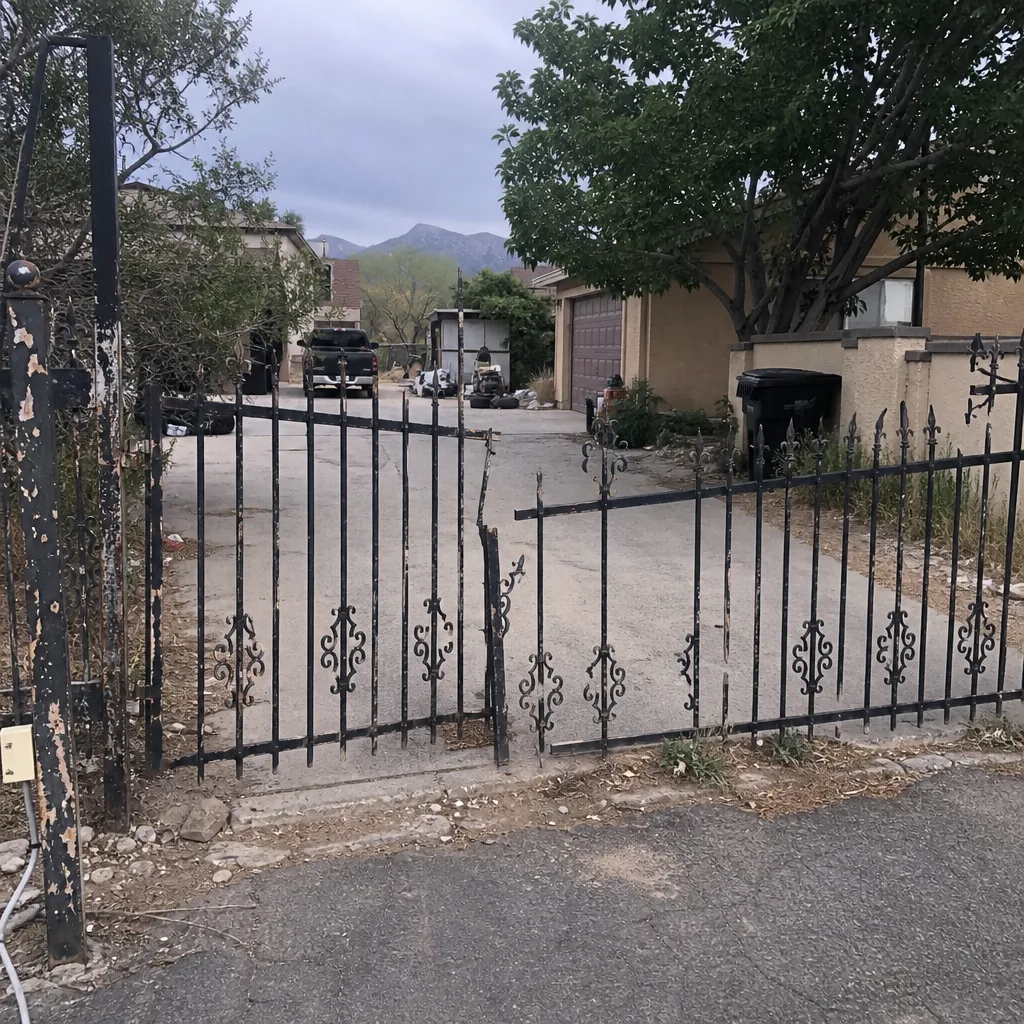
See the difference
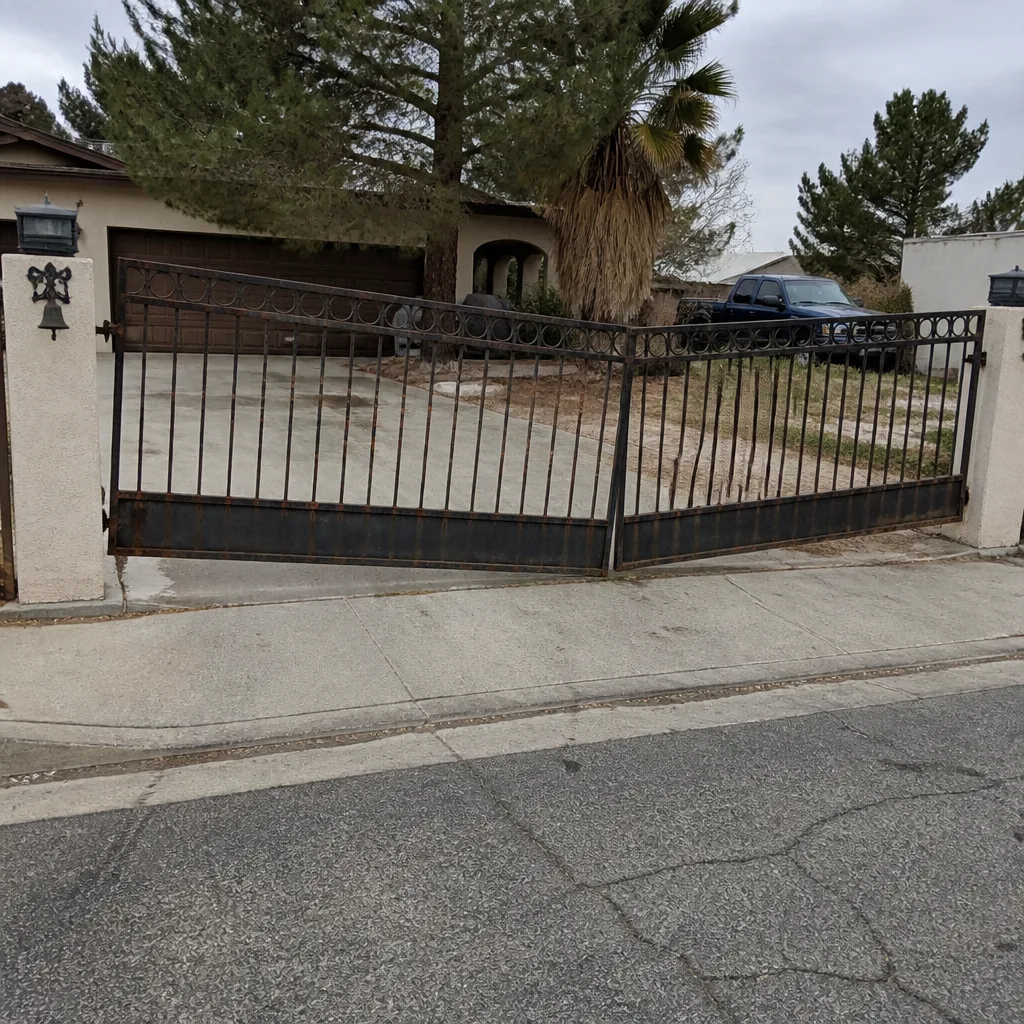 Before
 After
 Before
 After
 Before
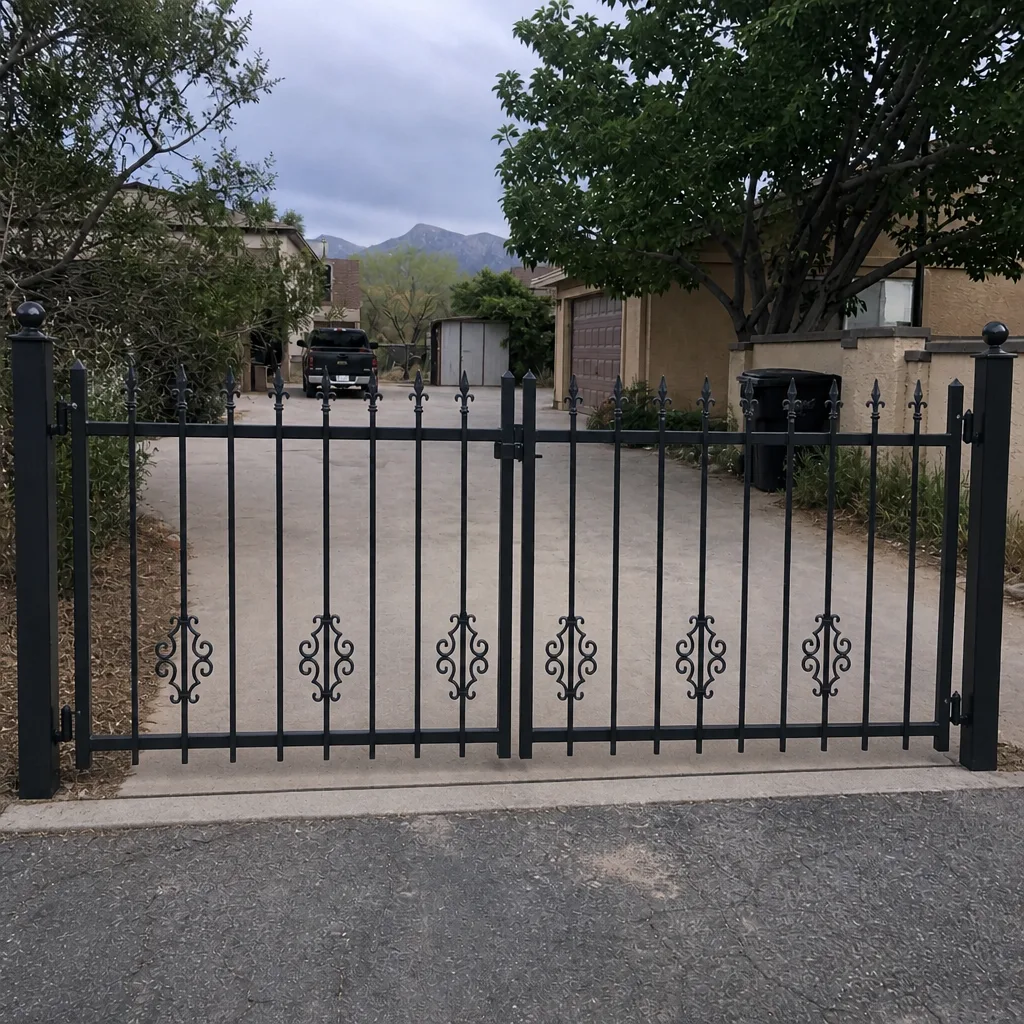 After
When to Call a Professional
Call a professional when the gate shows any of the five behavioral changes, when a new sound appears and doesn’t go away, when the gate reverses with nothing in the way, or when you spot rust bloom, cracks, or a hinge that’s pulling loose. Those are signals that wear has moved past routine maintenance into something that needs a trained eye. Do the same if a gate that hasn’t been serviced in a while is simply aging: a seasonal tune-up catches problems before they stop you. High-tension springs and cables and any electrical work are not do-it-yourself territory, and a gate that falls or swings unguarded is a real hazard. Ironworks Gate Co. Mesquite offers free estimates in Mesquite and backs every job with a written guarantee. Call (844) 797-2573 for a free estimate.
Frequently Asked Questions
The most common early warning sign is a pause or hesitation before the gate starts moving. That delay usually means the motor is drawing excess current against mechanical resistance, and in our experience it becomes a stuck gate within about 90 days if ignored. Treat any new hesitation as a sign to get it looked at.
You can often quiet a light grind by clearing the track and applying correct lubrication, but grinding from the bearings, gearbox, or welds needs a trained hand. Gate mechanisms carry heavy moving parts, and high-tension springs and cables in particular can cause serious injury if handled wrong. When in doubt, have a professional look at it. Call (844) 797-2573 and we’ll tell you if it’s a quick fix or a real repair.
A reversing gate usually has a safety sensor or safety-edge alignment issue rather than a failing motor. Dust, debris, or a small bump to a post can knock the sensors out of line. Get the alignment checked rather than disabling the sensor, and never bypass the safety edge. Our team can sort it out with a free estimate in Mesquite.
A gate in Mesquite should be watched closely twice a year at minimum, in late spring and fall, because the summer heat and desert dust speed up wear on grease, tracks, and sensors. Check for new sounds, new rust, and clearance issues. Our $89 seasonal tune-up is built for exactly that rhythm.
No. Some sounds are small: a dry hinge, a bit of grit in a track, a limit switch that needs adjusting. Catching any sound early, no matter how minor, is what keeps it small. The ones that turn expensive are the ones ignored for months. A quick look now saves you a larger bill later.
We’re trained and equipped on nine major gate-automation brands, including LiftMaster, FAAC, BFT, Linear, Viking, Ghost Controls, DoorKing, Elite, and Mighty Mule. That range means we can diagnose whatever is on your driveway on the first visit. If you’re unsure what you have, just describe it and we’ll start there. Call (844) 797-2573 for a free estimate in Mesquite.
The Bottom Line
A gate is never silent about trouble. It pauses, it grinds, it drifts, it scrapes. Your job isn’t to fix it. It’s to notice and describe it clearly, before a small warning turns into a larger repair. Watch your gate in the heat of day and after dark, in both directions. Log what you see and hear. Keep the safety sensors aligned and working. Everything else, from the hinges to the operator, is where a trained technician earns their keep. Catch the language early and the gate keeps doing its job quietly for a long time. Call (844) 797-2573 for a free estimate in Mesquite.
Written by the team at Ironworks Gate Co. Mesquite.