
Last updated November 17, 2026
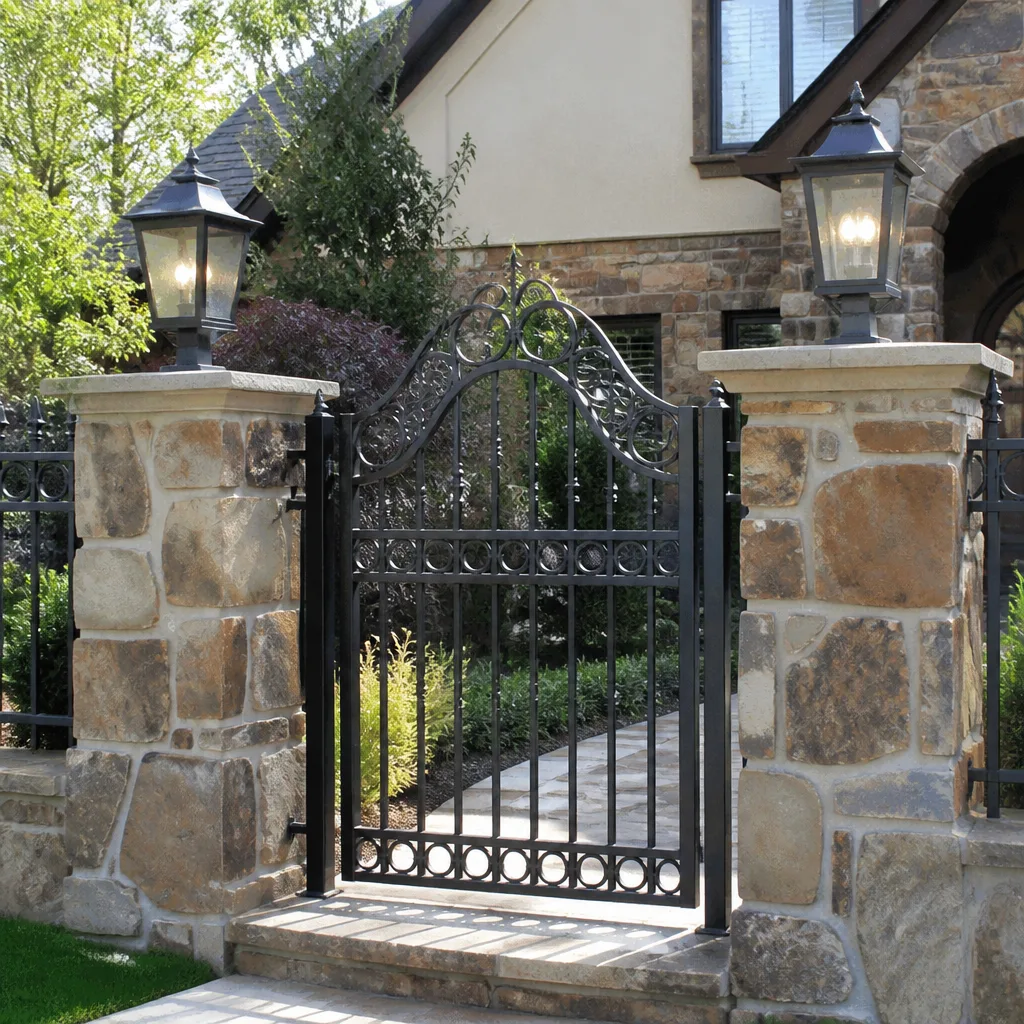 Wrought iron
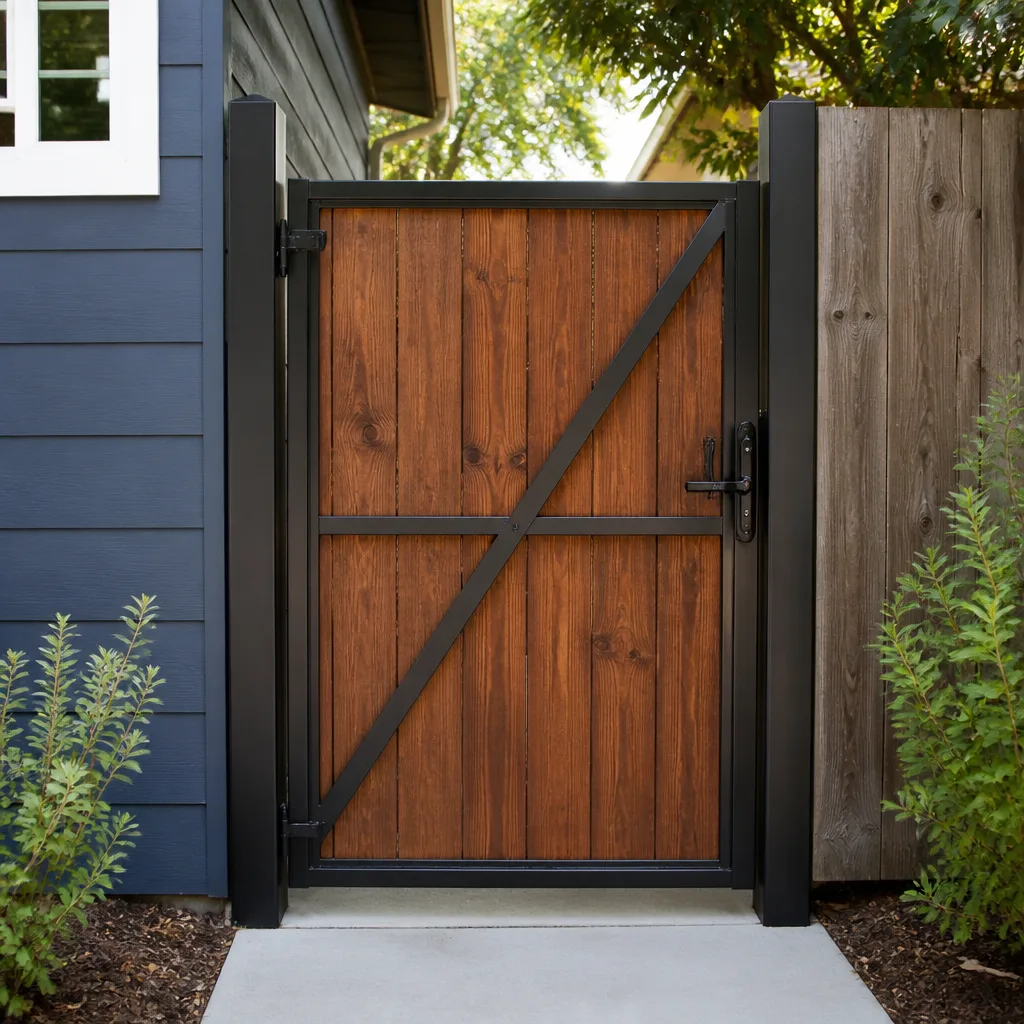 Wood & steel frame
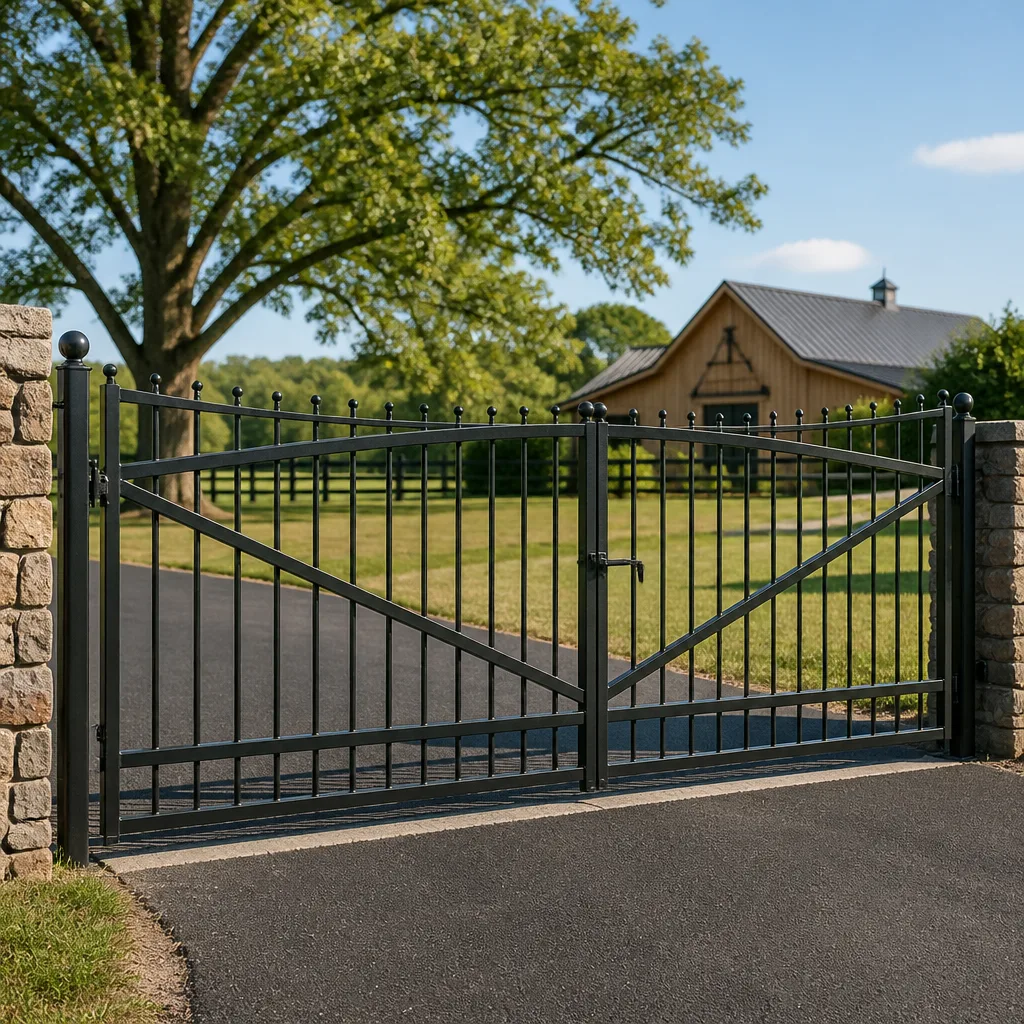 Farm & ranch
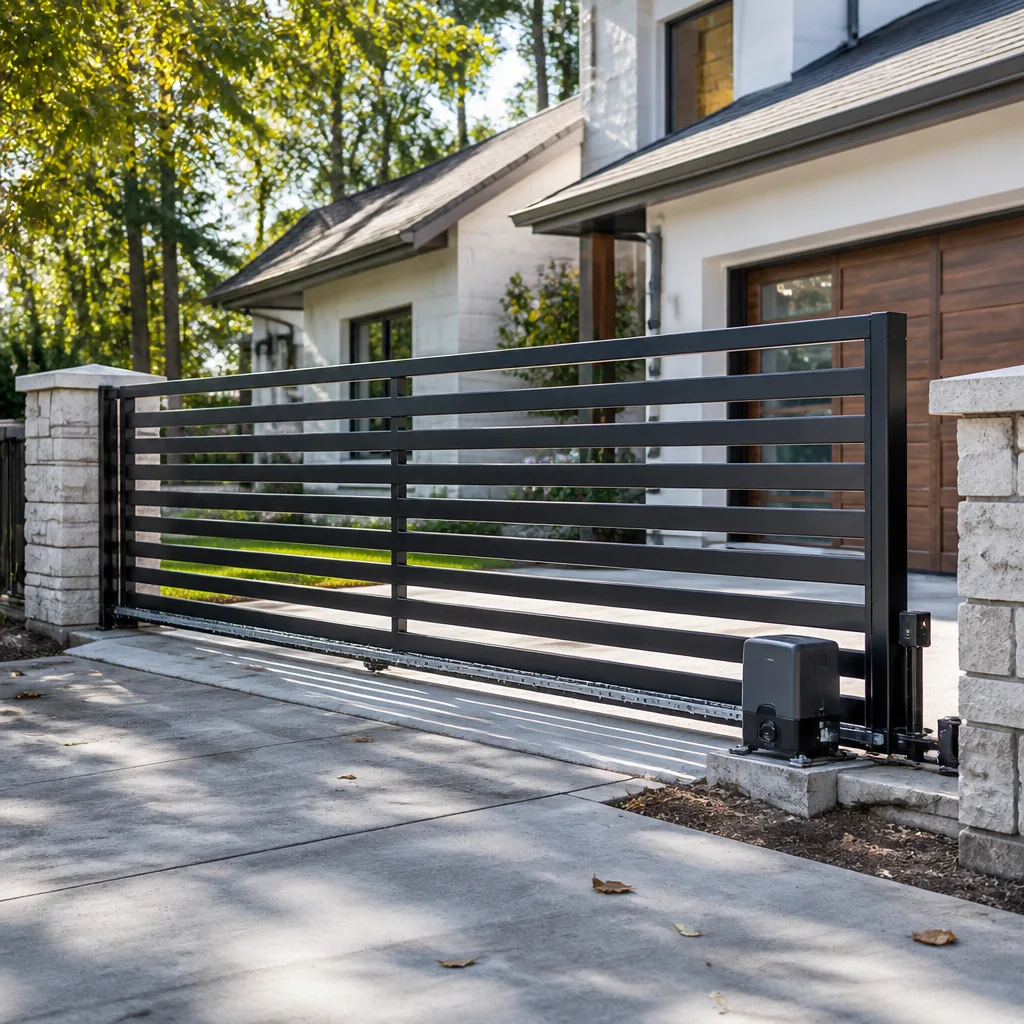 Sliding driveway gates
 LiftMaster operators
Free on-site gate assessment - hinges, posts, and your LiftMaster or Nice gate operator checked before anything is quoted
The assessment is free and the quote is the invoice.
Get your free estimateGate Repair Warning Signs: A Mesquite Homeowner’s Reference Guide
The gate didn’t fail. It announced the failure for three months. The grinding noise, the slow close, the one morning it didn’t open at all: those weren’t random events. In our experience across Mesquite, most driveway gate failures give 60 to 90 days of visible warning before they become emergencies. Homeowners simply don’t know what they’re looking at, so the clues stack up uninterrupted until something breaks for good. This guide names each warning sign, explains what it’s actually telling you, and ranks it by urgency, so you know whether to call today or add it to next month’s list.
Quick Answer
The most common gate repair warning signs in Mesquite are unusual grinding or squealing, a gate that drifts or stops mid-travel, visible post lean, sagging hinges, and opener error codes. Signs that affect safety, like a gate that won’t reverse, a dragging bottom edge, or a loose hinge, should stop you from operating the gate until a specialist inspects it. Most other warnings can be monitored briefly, but they rarely fix themselves.
Styles & brands we work with
- Wrought iron
- Wood & steel frame
- Farm & ranch
- Sliding driveway gates
- LiftMaster operators
Table of Contents
- Visual Signs Versus Operational Signs
- Automation-Specific Warnings and Error Codes
- Structural Warning Signs Unique to Desert Installations
- Safety-Critical Warnings That Override All Scheduling
- One-Page Quick-Reference Matrix
- A Seasonal Check Mesquite Homeowners Can Do Themselves
- Common Mistakes to Avoid
- When to Call a Professional
Visual Signs Versus Operational Signs
A gate that looks fine can be closer to failure than one with surface rust. That sounds backward, so let’s break it down. Visual signs are what you see standing in the driveway: rust, dents, paint flaking, a tilt you didn’t notice before. Operational signs are what the gate does when it moves: hesitation, noise, drift, a different sound at the end of travel. In our experience, operational signs are the sharper warning. A gate with cosmetic rust and clean travel is usually in better shape than a polished gate that grinds.
Why? Because rust on a hinge pin is mostly surface. A gate that suddenly hesitates at the same spot every time is telling you something inside the mechanism is binding, loosening, or losing power. That’s mechanical truth, not appearance.
Split your attention this way:
- Visual check (weekly): Rust streaks, dents near the pivot, paint cracking at weld seams, post tilt, sagging gate edge, dragging on the ground.
- Operational check (monthly): Sound during travel, speed variation, drift after release, hesitation at start, hard stop at the end, opener beeps, remote range.
Write down what you notice and when. A homeowner who can tell us “it started hesitating about six weeks ago, mostly in the afternoon” gives us a head start on diagnosis, and most jobs in Mesquite get completed in a single visit because of it. Details like that matter more than a perfect description of the noise.
Automation-Specific Warnings and Error Codes
Your opener speaks a language, and most of what it says is useful. Modern gate operators from Linear, Viking, Ghost Controls, and DoorKing flash diagnostic codes through an LED on the control board, and the paper manual tucks in the door of the housing. What matters is which codes point to a serious problem and which are nuisance alerts.
Here’s the plain-language map we use on service calls:
- Repeated blinking before travel: usually the safety photo-eye or loop detector. The gate is refusing to move because it thinks something is in the path. Fixable, urgent if the gate won’t open at all.
- Opener runs and stops immediately: often an obstruction sensor or a limit switch out of position. The gate itself is fine but thinks it’s blocked.
- Constant beeping during travel: a warning that the battery backup is failing or the operator is overheating. In Mesquite summer heat, overheating is common on units mounted in direct sun.
- Reverse on contact: the gate reverses when it meets resistance. This is a built-in safety feature, and if it triggers with nothing in the way, it’s a sign the operator is misreading resistance from a mechanical problem.
- Remote works only up close: failing receiver, low battery in the remote, or antenna damage. Rarely urgent, but annoying and worth fixing.
One rule we follow: if the gate reverses on its own or refuses to close, stop using the operator and hand-cycle the gate (if the release allows it) until a specialist looks at it. Automation-specific calls need the right parts on hand, which is why we train on nine major opener brands. Call us for an exact quote and we’ll tell you whether it’s a same-day fix or a scheduled repair. Estimates are free.
Structural Warning Signs Unique to Desert Installations
Mesquite is built on soil that moves. Caliche layers, expansive clay in some pockets, and the temperature swing between a 110-degree July afternoon and a cool desert night all work on your gate posts year-round. Three structural warnings show up again and again on Mesquite properties, and none of them are visible from the curb.
Post Lean
A post that has leaned two degrees over three years is often soil movement, not a failed weld. The gate still opens, so it gets ignored. But lean transfers stress down the hinge line, and the hinge bolts start pulling. Left alone, the fix moves from re-setting a hinge plate to resetting the post footing, which is a very different job. Check your gate’s closed position against the same reference point once a season. A post that used to sit flush and now doesn’t is telling you something.
Weld Fatigue at High-Stress Pivots
Welds at the corners and pivot plates take the brunt of every open and close. Heat and cold cycles stress them. A hairline crack in the paint at a weld seam is usually the first visible sign, followed by slight flexing when the gate moves. In our experience, cracks show up on the frame before they show up in the finish. That’s structural, not cosmetic. Address it before it becomes a broken frame.
Frame Rack
A gate that’s been struck by a vehicle, a delivery truck, or dragged across a rock can develop a subtle twist called rack. The most common giveaway is a gate that drags at one corner only, or one that no longer sits square in the opening. Rack puts uneven load on the operator, which shortens the motor’s life. Straightening the frame is often a straightforward welding job. Replacing a burnt-out operator is not.
Safety-Critical Warnings That Override All Scheduling
Some warning signs take priority over everything else. If you see any of the following, stop operating the gate until a specialist inspects it. A heavy gate on a failing hinge or a misaligned operator can cause serious injury, and the risk isn’t worth the convenience of an automatic open.
- Gate fails to reverse on contact with an object in its path.
- A hinge bolt is visibly loose, missing, or backing out.
- The gate travels past its normal stop point, placing load on the frame or fence.
- A grinding or popping sound accompanies every move. That’s metal-on-metal, and it’s wearing fast.
- The operator continues running after the gate has reached its limit, or reverses without command.
- A gate that has visually dropped, riding low enough to drag or contact the ground.
Hinges, springs, and the moving weight of a steel gate under automation are genuinely dangerous components. Loosening a bolt on a loaded hinge, or adjusting an operator’s travel limits without understanding the force settings, can cause the gate to swing uncontrolled. These jobs belong with a trained professional. We bring the right tools, the right parts, and a plan for what to do if the gate isn’t as stable as it looks.
One-Page Quick-Reference Matrix
Here’s the reference we hand to homeowners on completion. Print it out or save it on your phone, and use it as the first filter on what you’re seeing.
- Grinding during travel → Likely hinge wear or frame contact → Urgent → Call now.
- Gate drifts or stops mid-travel → Operator limit, sensor, or binding → Urgent → Call now.
- Repeated blinking LED on operator → Photo-eye or loop detector fault → Urgent → Call today.
- Gate reverses on contact with nothing in the path → Operator sensitivity or mechanical drag → Safety-critical → Stop using, call now.
- Visual post lean → Soil movement or footing settlement → Monitor 30 days → Call if lean increases.
- Hairline crack at a weld seam → Weld fatigue → Schedule → Call within the month.
- Surface rust on hinges or frame → Cosmetic, unless accompanied by squeaking → DIY-monitor → Check at next seasonal tune-up.
- Remote works only up close → Remote battery or receiver → Schedule → Add to next service.
- Gate drags or hangs at one corner → Rack or hinge drop → Urgent → Call today.
- Constant beeping while running → Battery backup or overheating → Schedule soon → Call within a week.
Anything you’re not sure about goes in the “call and ask” column. A free second opinion on a written estimate is one of the ways we keep Mesquite homeowners from paying for repairs they don’t need.
A Seasonal Check Mesquite Homeowners Can Do Themselves
Two or three times a year, walk your gate line and look at it as a system rather than an object. You’re not fixing anything on this walk. You’re looking for changes. It takes five minutes.
- Walk the full travel path. Look for debris, gravel mounds, and any new ground contact at the bottom edge.
- Hand-cycle the gate if the release allows. Feel for resistance, binding, or unusual play at the hinges. Never force it if it’s stuck.
- Check the hinges and pivot plates. Loose bolts, rust streaks, and missing cotter pins should be noted, not tightened. Tightening a loaded hinge is a specialist’s job.
- Inspect the post base. Any tilt, cracking in the concrete footing, or soil erosion around the base gets photographed and tracked.
- Test the operator through a full cycle. Listen for new noises, note the LED behavior on the control board, and check that the gate reverses when something blocks the path.
- Test the safety devices. Photo-eyes, loops, and edge sensors should stop the gate. If they don’t, don’t wait. Stop using the operator.
If something has changed since your last walk, write it down with a date. Patterns matter more than isolated events when a technician arrives. And if your gate hasn’t had a tune-up in more than a year, an $89 seasonal tune-up catches the small stuff before it turns into a hinge replacement.
Common Mistakes to Avoid
- Assuming surface rust means the gate is about to fail. In our experience, a Mesquite gate with cosmetic rust and clean travel is often fine. Watch the movement, not the paint.
- Greasing everything to quiet a grinding noise. Grinding inside a hinge or pivot usually means worn metal, and grease just hides the signal. Have the hinge checked before applying lubricant.
- Ignoring a two-degree post lean. Small leans compound. Left for two seasons, they cause hinge damage and frame stress that cost far more than a re-set.
- Trying to fix an operator with a paperclip reset from a forum. Some resets clear a code temporarily and erase the diagnostic history a technician needs. Note the code, then call.
- Continuing to use a gate that doesn’t reverse on contact. This is the single biggest safety failure we see. Stop using the gate until it’s fixed.
- Hiring on price alone. A cheap repair that fails in six weeks costs more than a proper repair done once. Ask about the written guarantee before you agree to a price.
- Waiting for the gate to fail completely. By the time a gate stops moving in Mesquite, it’s usually a hinge or frame problem rather than an operator glitch. Those are more expensive than the warnings that preceded them.
When to Call a Professional
Call a professional gate repair specialist if any of these apply: your gate doesn’t reverse on contact, a hinge or pivot bolt is visibly loose, the gate drifts or stops mid-travel, grinding accompanies every move, or your post is leaning. Those are the calls we take most often across Mesquite, and they’re the ones worth making fast. For cosmetic rust, remote range, and a single hard-start once a month, you can monitor for a few weeks. For an operator error code you can’t decode, call and describe it. We’ll tell you whether it’s an urgent visit or something you can schedule.
Ironworks Gate Co. Mesquite offers free estimates in Mesquite. Call (844) 797-2573. A live person answers, 24 hours a day, 7 days a week, and we’ll quote the price before any work begins.
See the difference
 Before
 After
 Before
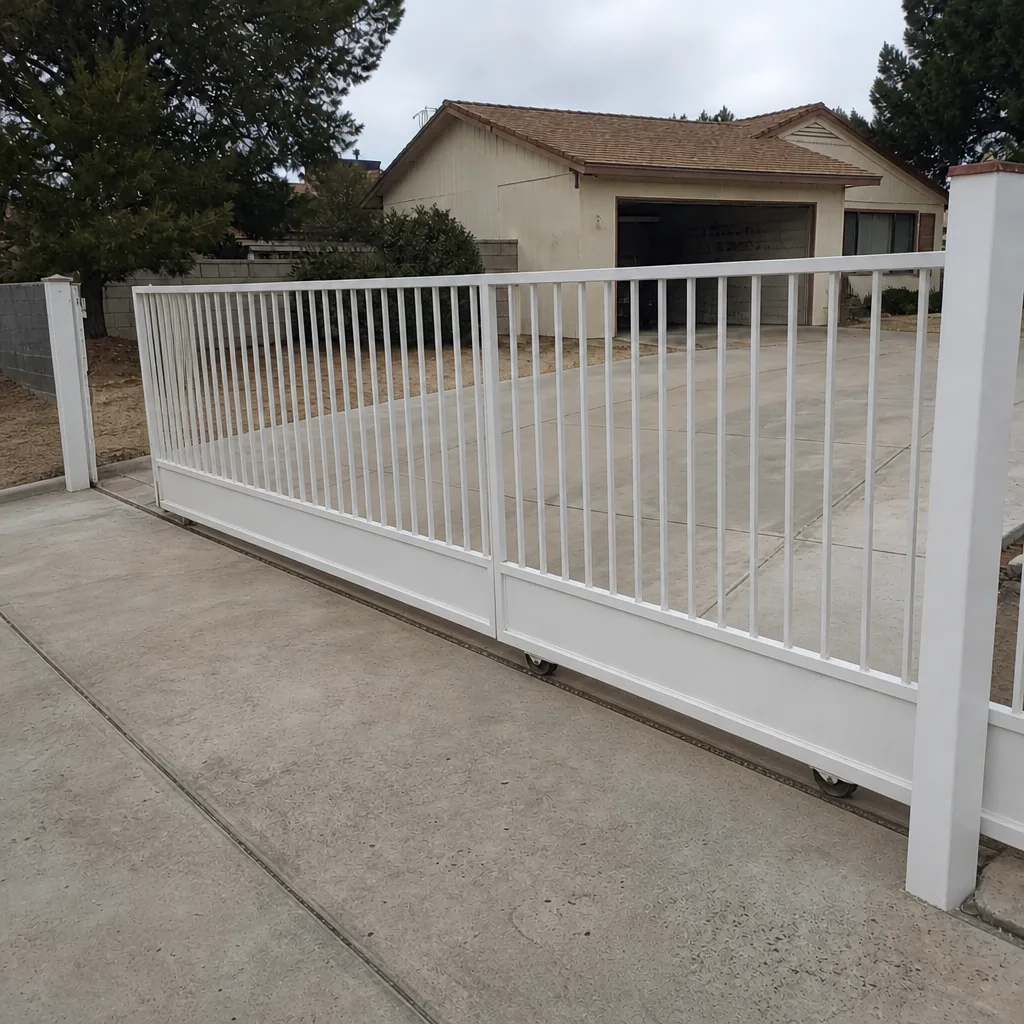 After
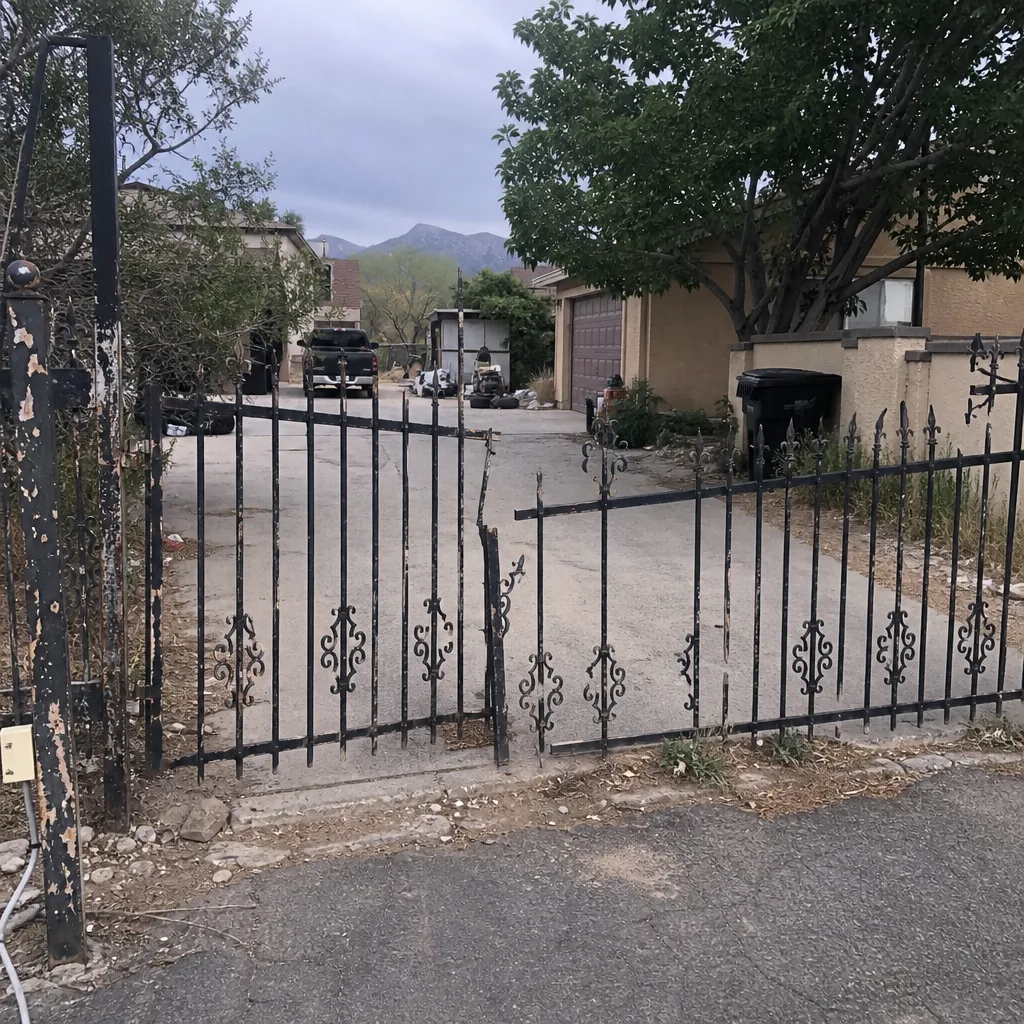 Before
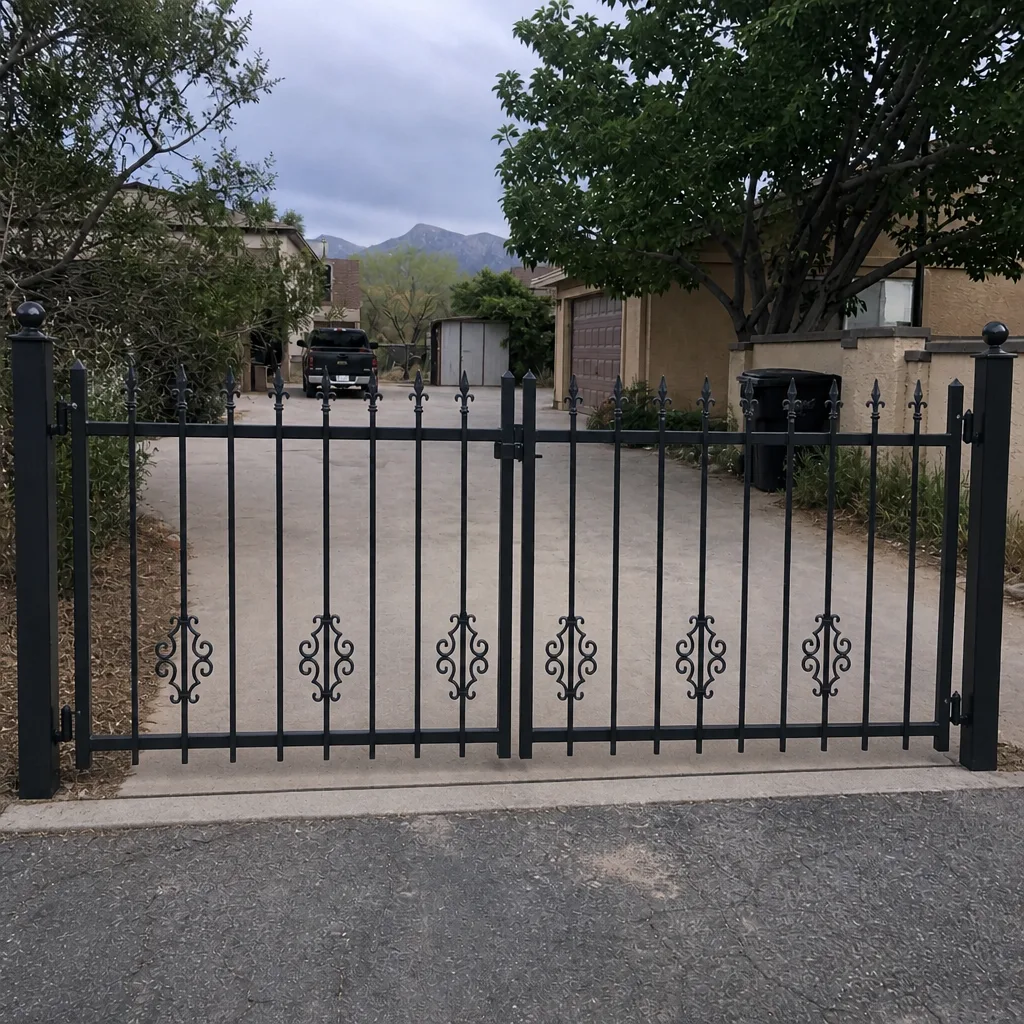 After
Frequently Asked Questions
Most driveway gate repairs in Mesquite land in the $180 to $450 range, depending on whether it’s a hinge or weld repair versus an opener or sensor fix. You’ll get a written price before any work begins, so there are no surprises on the bill. Call (844) 797-2573 for an exact quote. Estimates are free.
In most cases, yes. A gate that won’t open or won’t close is our highest-priority call type, and we aim to get out the same day whenever scheduling allows. Call and describe what the gate is doing. If it’s a safety issue, we’ll tell you to stop using it until we arrive.
Blinking lights are the operator’s diagnostic code, and the meaning varies by brand. On a Linear or DoorKing unit, the count and pattern usually point to a photo-eye issue, a limit switch fault, or a safety device. Note the pattern and how many times it blinks, then call. That information alone often saves a diagnostic visit.
Any lean that has developed in the past year is worth a professional look. Soil movement is a common cause in Mesquite, and lean puts stress on hinges and the frame. If the gate still sits square in the opening and the lean hasn’t grown, you can monitor it. If it’s grown in the last 30 days, call today.
Yes. We’re trained and equipped on nine major gate-automation brands, including LiftMaster, Linear, Viking, Ghost Controls, DoorKing, FAAC, BFT, Elite, and Mighty Mule. That means the correct fix is usually made on the first visit, whatever is on the driveway. Call (844) 797-2573 to schedule.
A hinge repair replaces the hinge, pin, or pivot plate without touching the gate’s frame. A rebuild addresses structural problems like cracked welds or frame rack. In our experience across Mesquite, most gates that show rust and small cracks get away with a hinge or weld repair rather than a rebuild. Nobody needs to rebuild a gate that hasn’t earned it. Our Gate Repair in Mesquite technicians will tell you which applies to your gate before any work begins.
The Bottom Line
Most driveway gates give 60 to 90 days of warning before they fail. The trick is knowing what to look for and knowing which signs mean “call today” versus “add to the list.” Operational signs like grinding, drift, and hesitation beat cosmetic signs like rust every time. Structural signs specific to Mesquite, like post lean from soil movement and weld fatigue at pivot points, are worth a professional look the moment they appear. Safety-critical warnings, particularly a gate that doesn’t reverse on contact or a visibly loose hinge, mean stop using the gate until a specialist arrives. That’s the entire guide on one page.
If you’ve read this and any of the signs sound familiar, don’t wait for the gate to fail completely. Free second opinions on written estimates and $50 off any repair over $250 are standing offers, and a permanent 5% senior and veteran discount is always in place. Whether you’re ready for a repair today or want a tune-up scheduled, we’ll give you a straight answer and a square deal. For installation questions, our Gate Installation in Mesquite team can help. For automation work, see our Gate Motor & Opener in Mesquite services. For background on the company, visit the Ironworks Gate Co. Mesquite home page. Call (844) 797-2573 for a free estimate.
Written by the team at Ironworks Gate Co. Mesquite.